
The Importance of the Native Plants: Hear from Alex Blondeau from Windflower Natives

Reading Time:
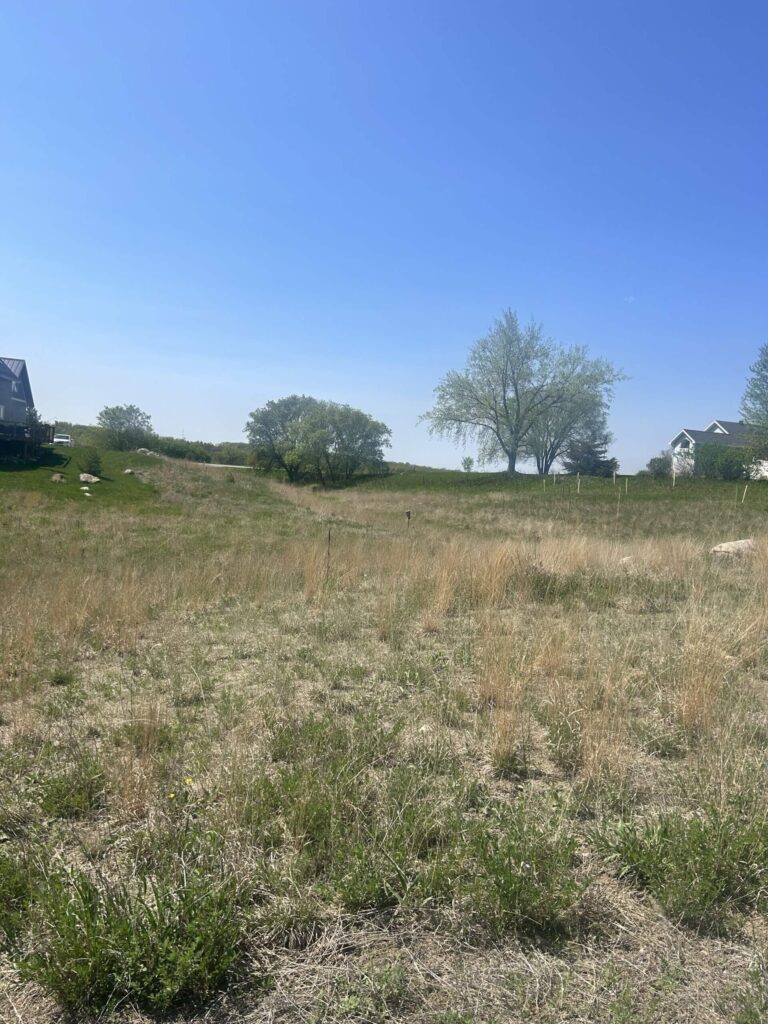
Native grassland habitats are some of the most endangered in North America according to the University of Minnesota. Less than 1% of the original tallgrass prairies remain. To combat some of this habitat loss, planting native grass and restoring parts of west central Minnesota’s prairie has become a popular choice among home and landowners.
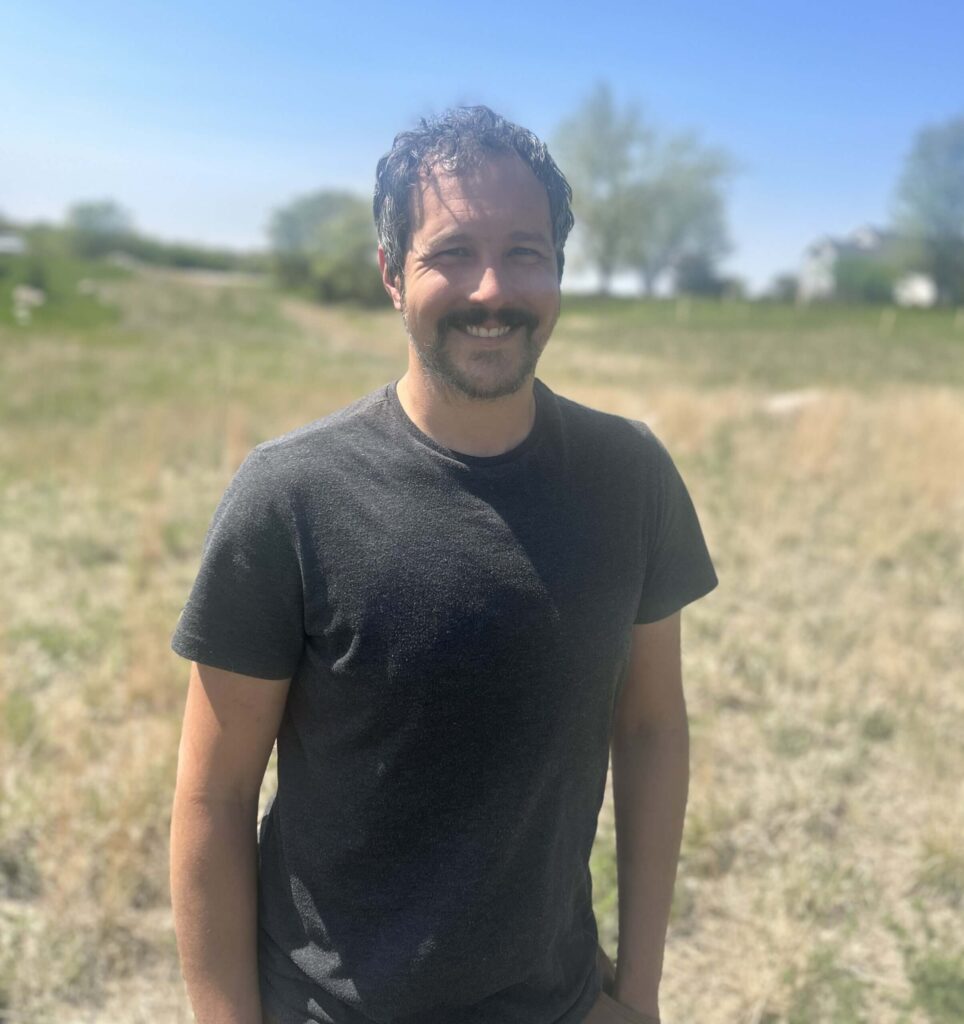
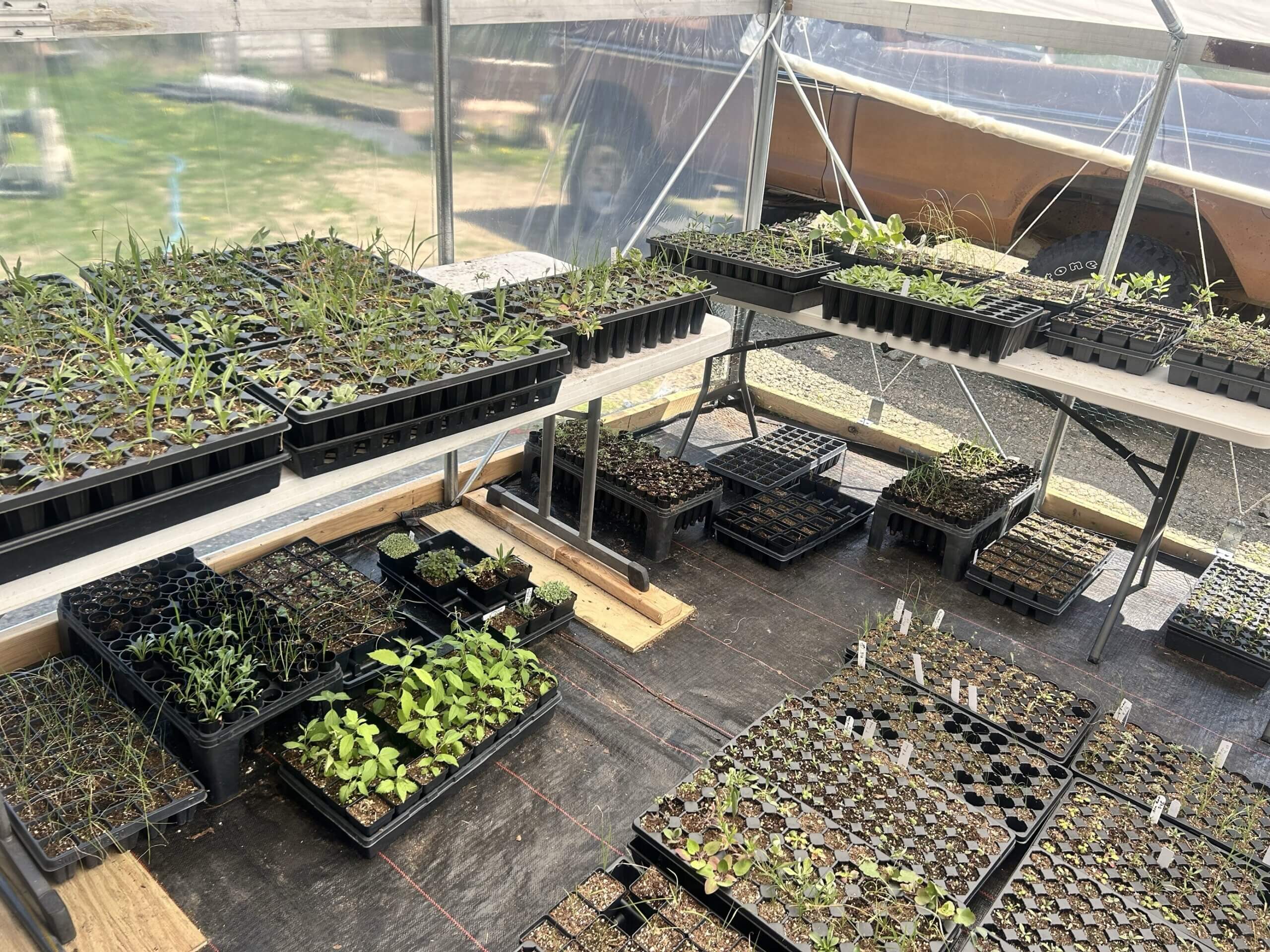
Windflower Natives is a company focused on cultivating native plant communities, specializing in prairie flowers. Alex Blondeau started Windflower Natives because of his love of the prairie and pieces of land that have never been converted to agriculture.
“There’s an interconnected diversity that occurs in those places that you just cannot find anywhere else,” Alex explained. “I noticed that I felt it immediately upon being in those places.”
Getting Started
Alex tells the story of how his passion for native plants took root while on a run through a park near his home in Fergus Falls.
“It was April, and everything around me was completely dormant. I stopped to tie my shoe, and at my feet was a full-fledged, beautiful purple flower coming out of the ground,” he recalls. “And there wasn’t even so much as a leaf on a tree anywhere around me except for that flower. I started to do some research and found out that it was a native prairie flower.”
Alex later learned that the park he had been running in had never been converted to agriculture. That’s why he noticed the difference in plants, identifying the purple flower as a Pasque flower. Inspired, he decided to start his own restoration project in his backyard, using a seed mix from the Fish and Wildlife Service. But he quickly noticed in those seed mixes that certain flowers, like the Pasque, had a difficult time growing from seeds.
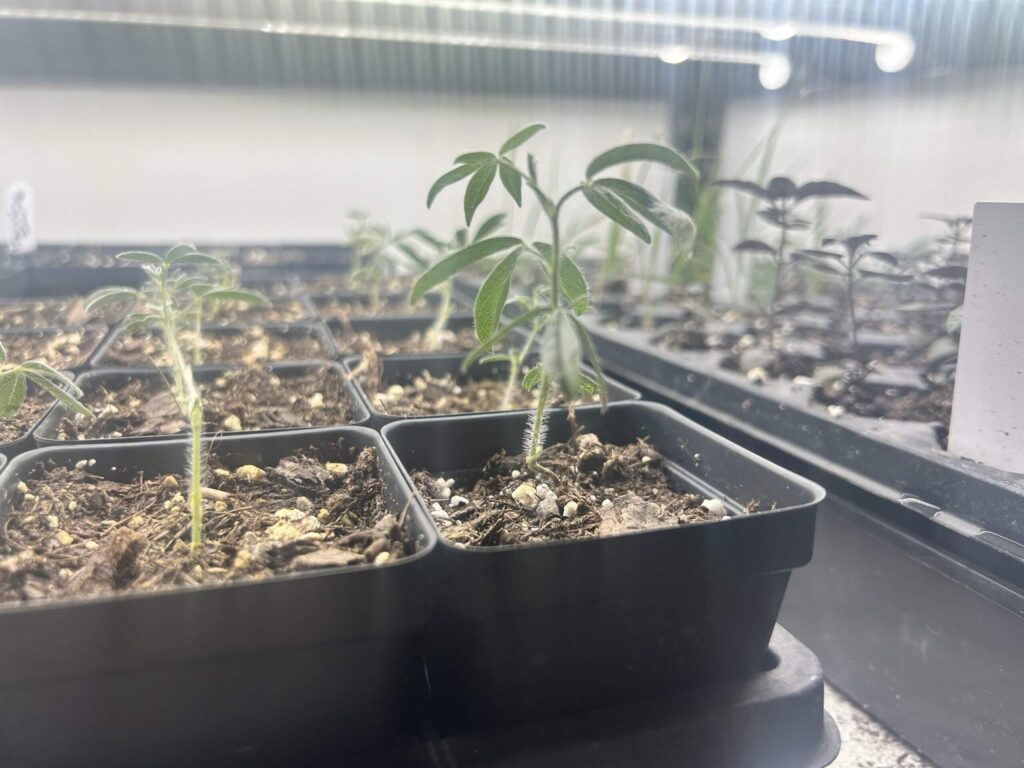
That’s when Alex started growing Pasque flowers on his windowsill, then his furnace room, and as his passion grew, Alex began Windflower Natives, selling native prairie plants. With help from the United Prairie Foundation, Alex was able to start his company, specializing in flowers.
The Importance of Flowers
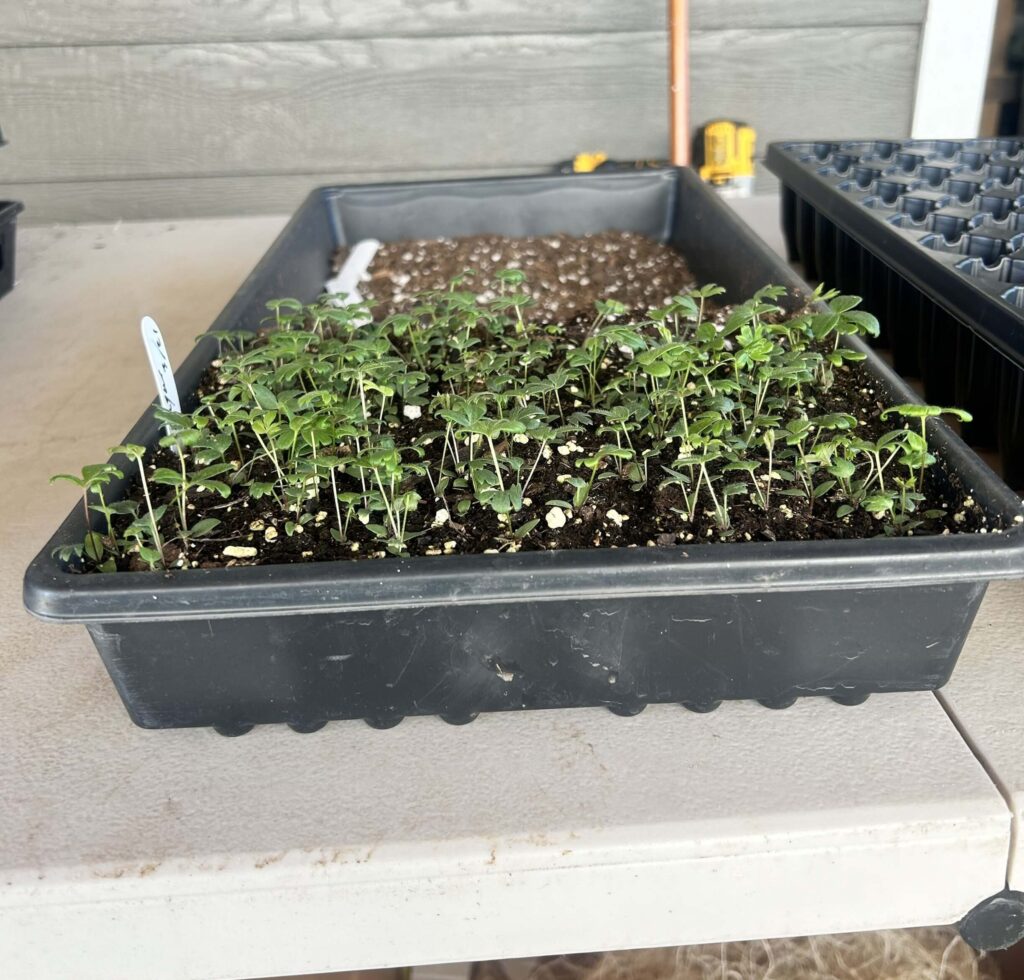
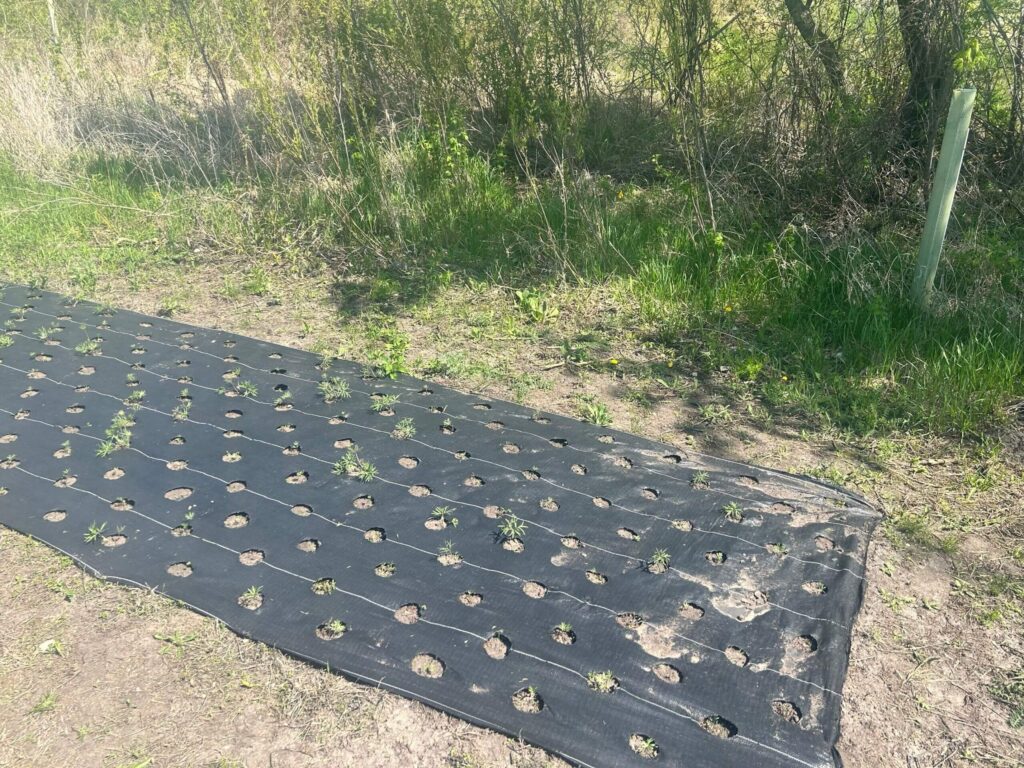
Other companies that do larger-scale restorations use seed mixes. Rather, Windflower Natives specializes in plugs, or already started plants, as opposed to seeds.
“You can’t get a lot of important species, in particular early season flowers, into restoration projects using seed,” Alex explained. “It is hard to grow. It doesn’t establish well just from chucking seeds out there. So, I started a program of growing mass quantities.”
Along with working with larger restoration companies to provide flowers, Windflower Natives also helps with small pollinator gardens.
Helping the Pollinators
Planting native has given the public a visible way to combat the plight of the native pollinator. Many native pollinators are specialists, meaning that they rely on specific plants. They can’t pollinate on any plant like a generalist species. For specialists, the pollinator and the plant have co-evolved together. Lose the plant; lose the insect.
A good example of this is the monarch butterfly and milkweed. If there’s no place for monarchs to lay their eggs—there will be no caterpillars.
Lawns to Legumes
Alex says that a great way to help combat habitat fragmentation is to plant a pollinator garden. A way people can get started with this is through the Lawns to Legumes Program.
The program, run through the Board of Water and Soil Resources, offers a combination of workshops, coaching, planting guides, and cost-share funding for installing pollinator-friendly native plantings in residential lawns. Applications for spring 2025 will open in June 2024.
Cultivating Connections
Species diversity in any ecosystem creates the most energy for all organisms. According to the Windflower Native website, a single square meter of remnant prairie can support over one hundred species of plants and insects. Native plants are also more resilient to their natural environment, meaning they are more likely to survive droughts or extreme colds.
Choosing native plants conserves water, protects soil from erosion, and creates habitats for pollinators. They also bring a beautiful connectedness to communities and ecosystem.
“How cool is it to walk out my door and have these plants that have evolved in this landscape for 10s of 1000s of years?” Alex said. “The specific biotic communities— the soil, insects, birds, colors, and sounds—make the whole thing feel at home in a way that I feel like a lot of us are grasping for.”
Interested in native plantings? Visit Windflower Native’s website for more information. Fall preorders for plants open at the end of June.
About Brogan Ludwig