A Step into the Future: Our New Geothermal System Saves Energy and Costs

Reading Time:
I’m Tobias Buening, an energy engineering student from FH Münster University of Applied Sciences in Germany. As the 2025 Energy Engineering Intern at West Central Initiative, I’ve been studying how our geothermal system performs by looking at its energy use and cost savings as part of my bachelor’s thesis. After analyzing more than a year’s worth of data, we’re able to show how geothermal energy can cut both costs and greenhouse gas emissions.
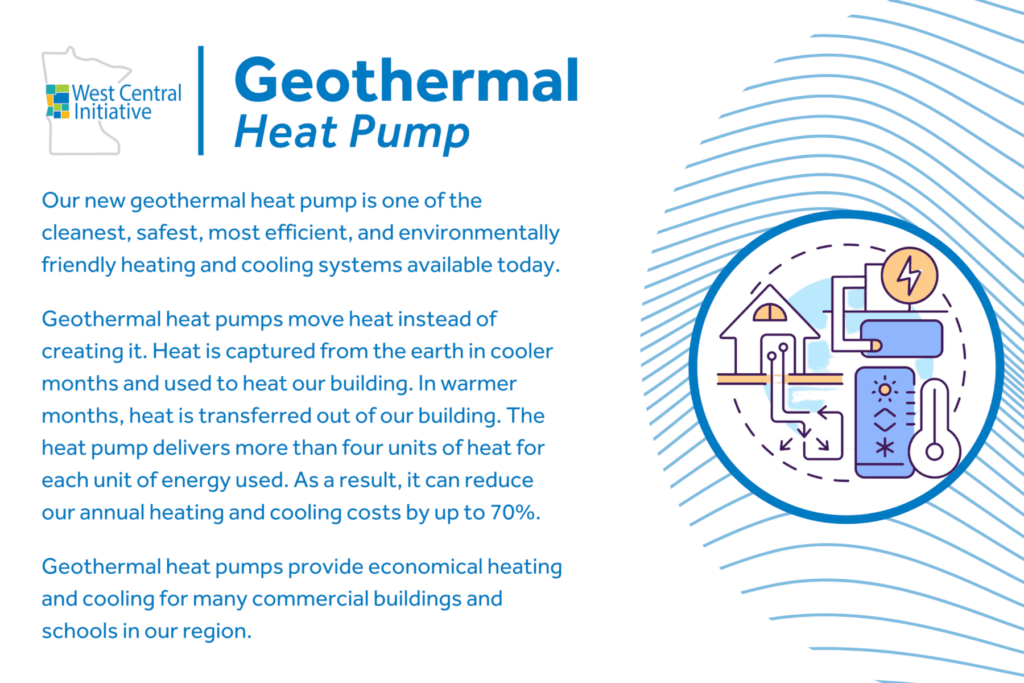
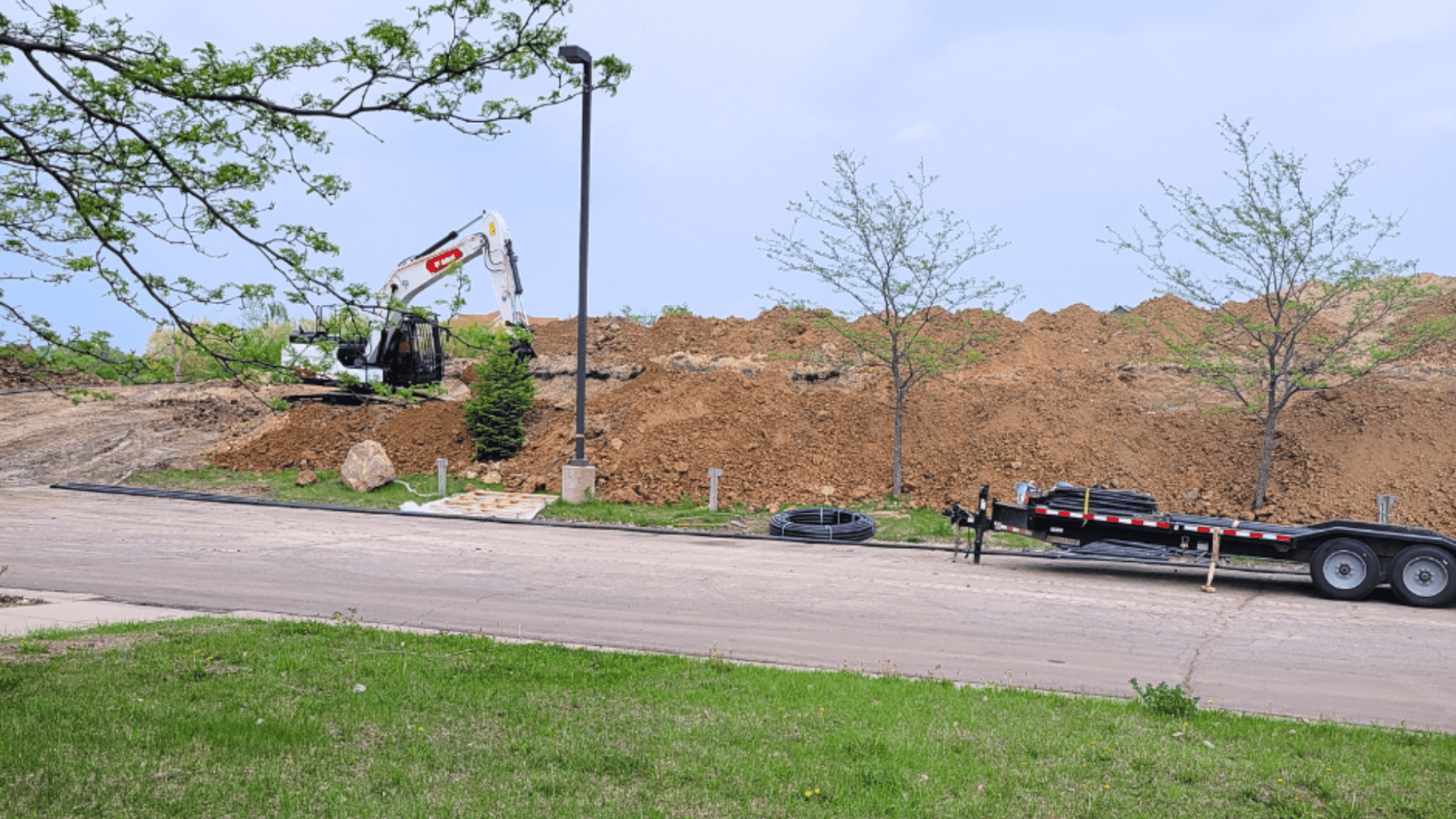
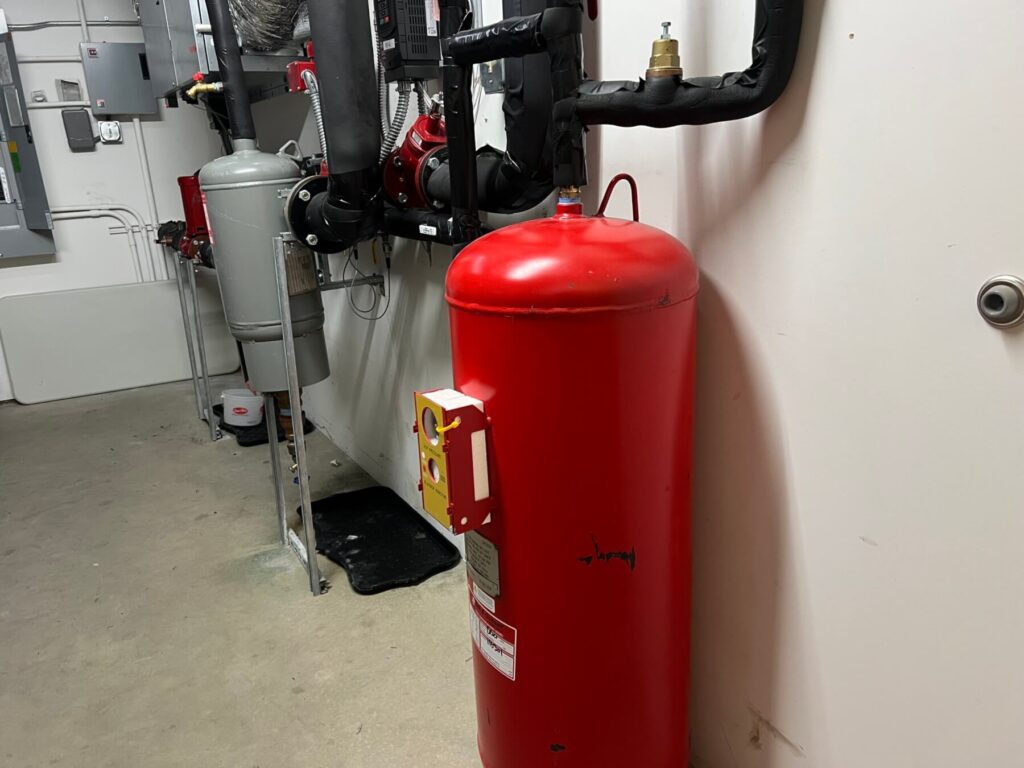
In the summer of 2023, All Seasons Heating & Air Conditioning based in Ottertail, Minnesota, installed a geothermal heating and cooling system at our office in Fergus Falls. Geothermal energy utilizes the stable temperature beneath the earth’s surface to heat buildings in winter and cool them in summer—all without the use of fossil fuels. For our facility, this meant a radical shift away from natural gas, and toward renewable, low-emission energy. Since adopting the 17 Sustainable Development Goals in 2019 and the Minnesota Region 4 Climate Action Plan in 2024, we’ve made sustainability and climate resilience an increased part of our work and day-to-day operations.
“The financial and environmental benefits are clear, and we were able to benefit from a novel tax credit available for nonprofits,” said Anna Wasecha, West Central Initiative President. “That reduced the installation cost to us by about one-third of the overall project. All these savings mean we have more funding available for our regional work.”
Before and After: What Changed?
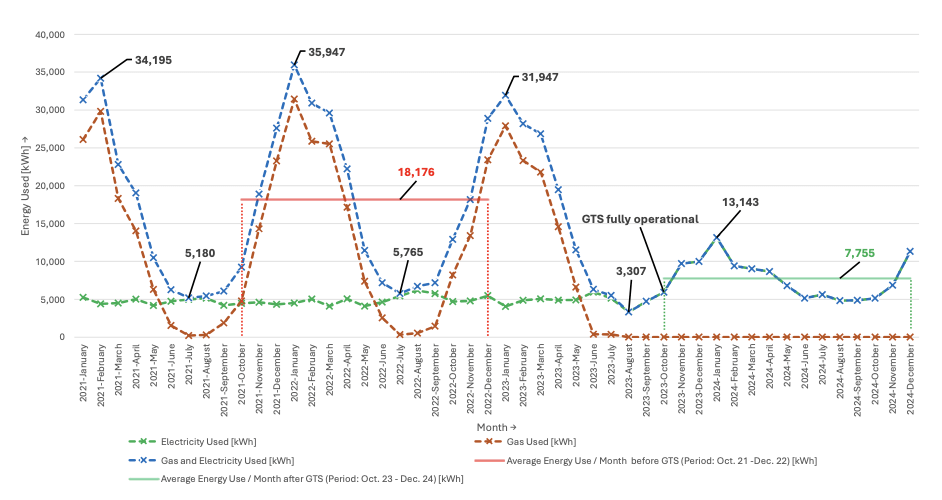
Since October 2023, our geothermal system has been fully up and running, and the difference in energy use is clear. Our average monthly energy use dropped from about 18,200 kWh to just 7,800 kWh, a 57% reduction. Even more impressive, we no longer use any natural gas at all. While our electricity use has gone up, it’s still much less than the amount of gas we used before.
The financial results are also compelling. Before we started using the geothermal system (from October 2021 to December 2022), our average monthly energy bill was about $1,115. After switching (from October 2023 to December 2024), our average monthly cost dropped to around $827. That’s a savings of nearly 26%—during a period when gas prices were high.
Sustainability That Pays Off
One interesting part of this project was looking at what our energy costs would have been without the geothermal system. By using natural gas price forecasts, we estimated that the system saved us over $1,300 in just 15 months—even though gas prices were relatively low during that time. This shows that geothermal energy can still save money, even when traditional energy costs aren’t especially high.
But the greatest benefit goes beyond the numbers. This transition reduces our environmental footprint and dependency on fossil fuels and shields us from fluctuating energy costs typical of natural gas that our previous heating system used.
A Model for the Region
Our geothermal system is a pilot project that demonstrates how sustainable energy can work in rural areas. Smaller organizations and communities can benefit from this kind of technology—not only by saving money but also by becoming more resilient. After one year of using geothermal energy in our building, the results are clear: it’s a smart investment with both environmental and financial rewards.
We’re also taking another big step this summer by installing solar panels at our office. Once complete, the system will generate about 70% of our building’s energy needs. This will help lower our costs even more and reduce our dependence on fossil fuels.
Together, these projects show that choosing sustainability doesn’t mean giving anything up—it means gaining cleaner and more cost-effective solutions that benefit our organization, our region, and the planet.
About the Author

Tobias Buening is West Central Initiative’s 2025 Energy Engineering Intern. Tobias supports efforts to advance clean energy initiatives, improve regional energy efficiency, and help identify sustainable engineering solutions that benefit west central Minnesota.
About Cedar Walters