
Protecting our Lakes with Shoreline Restoration

Reading Time:
A weekend at the lake is a classic Minnesota pastime—boating, fishing, swimming, campfires, and playing on the beach.
However, sandy beaches or waterfront lawns aren’t always the best idea. Unfortunately, the alterations we make to our shorelines to make our time near the water more enjoyable are the same things that lead to a decline in water quality in lakes. We love our water in Minnesota but sometimes don’t do the right things to protect it, such as maintaining at least some natural shoreline vegetation.
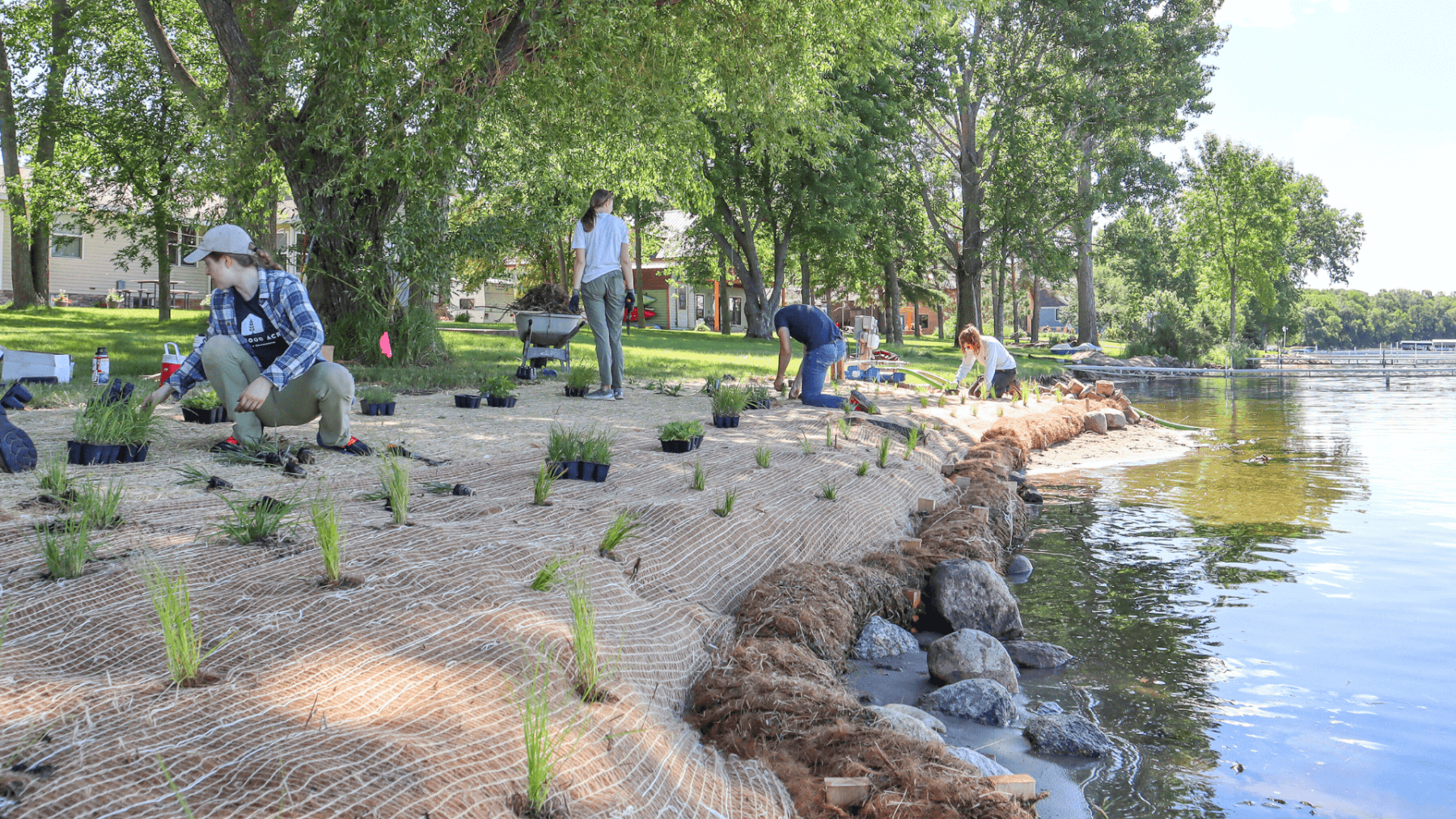
Pete Guck, Riparian Conservation Specialist with the East Otter Tail Soil and Water Conservation District, works on shoreline restoration projects that are critical to protecting water quality in our many lakes, and shared more information with us about how they can support homeowners as they restore part of the natural lakeshore.
Impacts of Overdeveloped Lakeshore
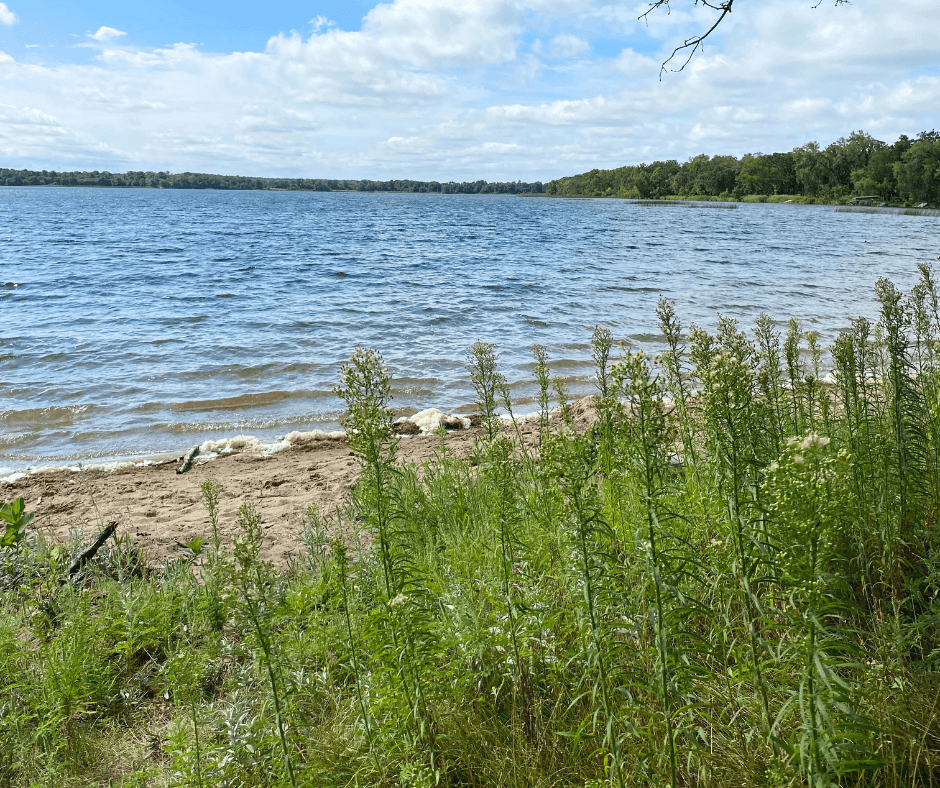
According to the Minnesota Department of Natural Resources (DNR), nearly 50% of lake shoreline statewide is developed, with projected increases in shoreline development of about 1-2% per decade. Overdeveloping lakeshore areas can lead to erosion and declining water quality, as the natural protective vegetation is removed and replaced by lawn, sand, and other alterations. Pete shared that homes with lawns leading straight to the lake contribute much more pollution than those with natural vegetation along the shore, with mowed shorelines contributing up to 9 times more phosphorous and 18 times more sediment entering a lake than natural shorelines.
He adds, “Not all lakes are created equal—some shorelines are more naturally sandy, and others are not, and introducing sand to these shorelines has negative effects of increased sediment as well as destroying habitat and natural buffers.” Natural shoreline habitats are critical for frogs, fish, birds, and other wildlife in addition to acting like a filter for water entering a lake.
“Adding sediment and nutrients to the lake and degrading the water quality and habitat isn’t great for fish or fishing”, he explains, and without natural vegetation, rain washes lawn chemicals, fertilizer, soil, and pet waste straight into the lake.
Harmful algal blooms (HABs) are increasing in Minnesota waters, mostly due to warming waters and excess nutrients according to the Minnesota Pollution Control Agency. Limiting nutrient runoff from lawns and agricultural land—including using natural vegetation buffers—is one of the most effective ways individuals can reduce the impact of HABs.
Supporting Lakeshore Owners
If you’re a lakeshore property owner ready to restore your shoreline, start by contacting your local Soil and Water Conservation District (SWCD) to learn what support they offer.
East Otter Tail SWCD has a shoreland program that offers technical and financial assistance for shoreline restoration projects, and they complete about 13 projects each year. “At East Otter Tail we start with an initial site assessment and try to pinpoint the individual goals of the landowner while also matching that with the goals of the SWCD to address resource concerns of water quality and or erosion issues,” Pete shared, and with a cost share of up to 75%, this puts restoration projects within reach for many homeowners.
East Otter Tail SWCD offers cost-sharing for shoreline buffers with a minimum average width of 12 feet, but Pete recommends going bigger. “Data I’ve seen suggests that having a buffer width of 25 feet and minimum of 75% of total shoreline protected is ideal.” He adds, “We always strive for this, but this is a give and take with landowners.” Plus, if you work directly with East Otter Tail SWCD, you won’t need a permit for your shoreline restoration project.
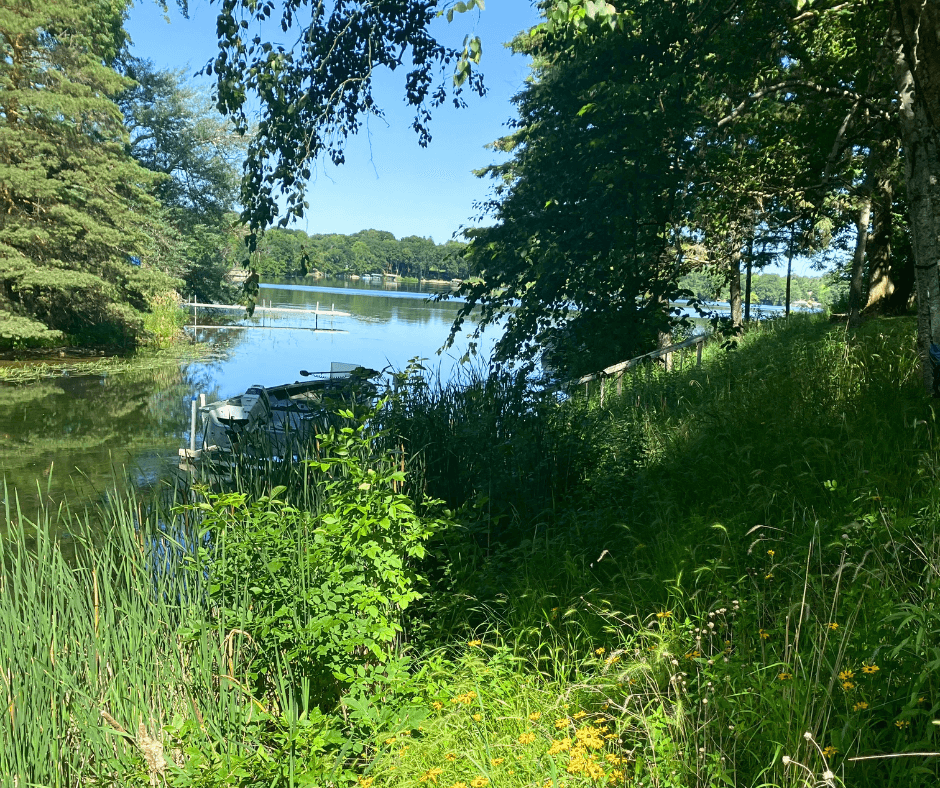
Natural Lakeshore – Natural Beauty and Benefits
Most people want to protect the lakes they love and live on—but restoring a natural shoreline offers more than just water quality benefits. It adds natural beauty to your property and attracts birds, pollinators, and other wildlife by providing essential habitat. If you’re not a fan of geese on your lawn, natural vegetation can help with that too. Pete explained that buffers make it harder for geese to move between water and lawn, and the taller plants reduce visibility, making geese more cautious because of potential predators.
The first two years of a project require some maintenance with watering and weeding, but after a natural shoreline is established, it can be easier to maintain than sand or lawn. “In general, natural shorelines are easier to maintain because they require less watering, fertilizing and mowing,” Pete explained, which is great news for those summer weekends.
Shoreline restoration is a powerful way to protect the lakes we love while enhancing your property with natural beauty and vital wildlife habitat. To learn more about available support, contact your local Soil and Water Conservation District and explore the services they offer for shoreline restoration projects.
About Cedar Walters