Restoring Prairie Habitat with United Prairie Foundation

Reading Time:
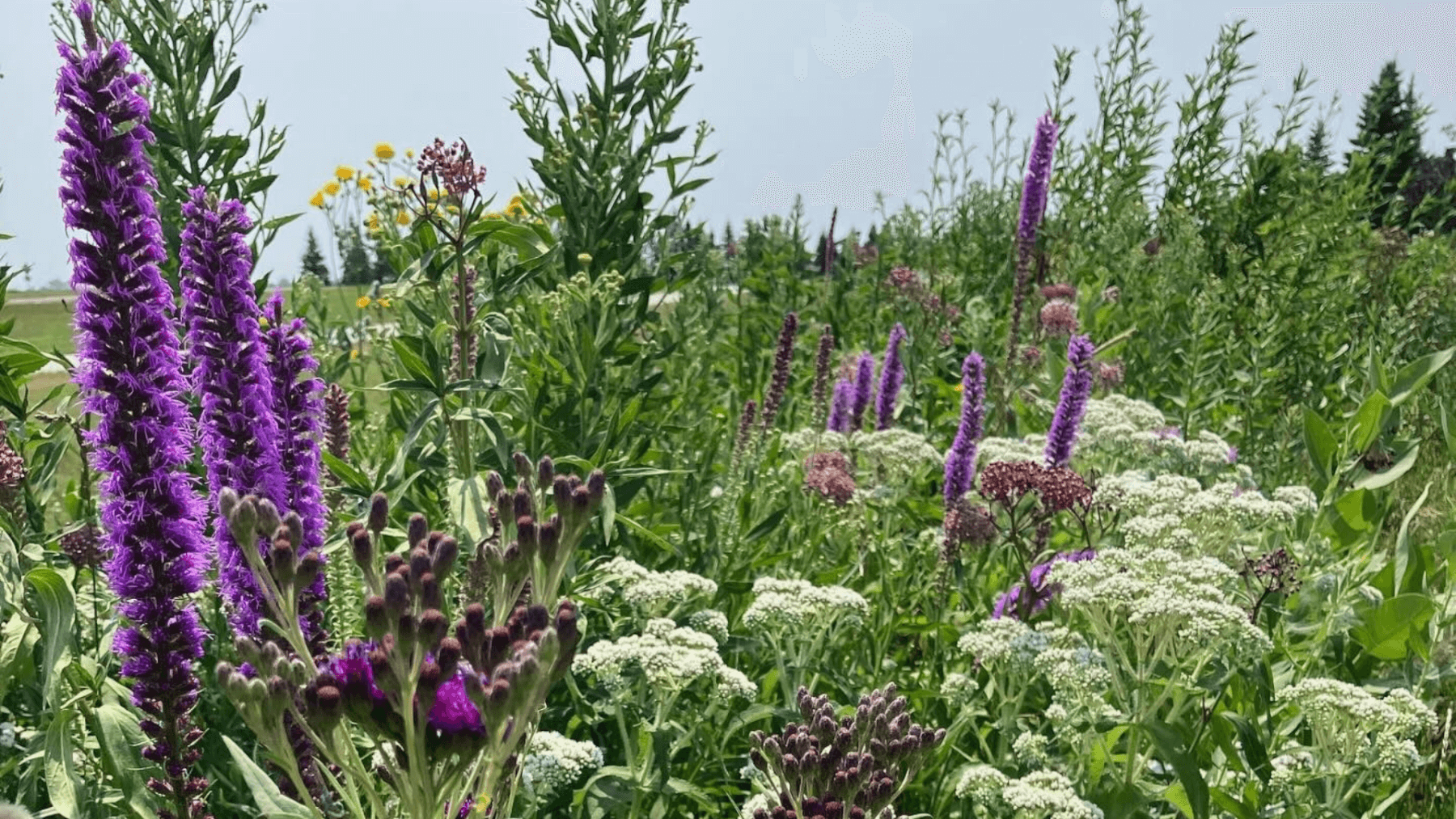
Centuries ago, more than 18 million acres of native prairie stretched across parts of Minnesota. According to the Minnesota Department of Natural Resources, only about one percent remains today, largely due to agriculture and development. Yet prairie ecosystems are vital—they provide habitat for pollinators and wildlife, and act like sponges to absorb rainwater and reduce flooding. United Prairie Foundation was created to restore native prairie, benefiting both waterfowl and declining pollinator populations.
Patrice Delaney, Senior Biologist with the foundation, recently spoke with us about their community partnerships, restoration projects, and how individuals can help—even from their own backyards.
Community Partnerships and Education
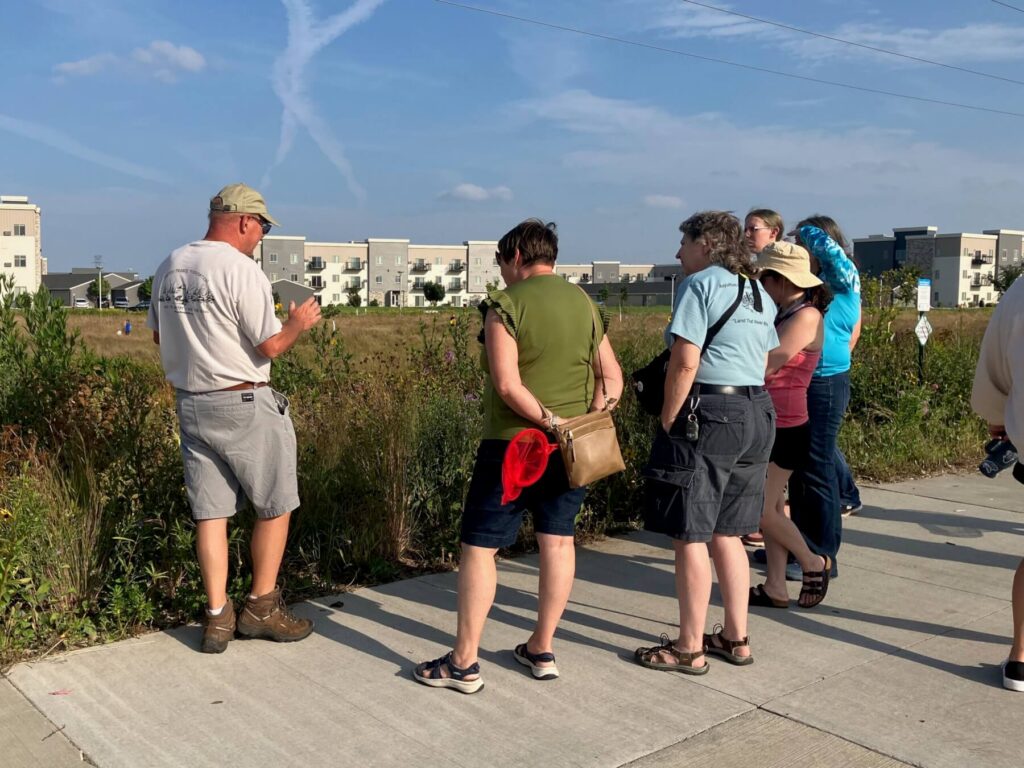
United Prairie Foundation restores prairie in communities, partners with schools and libraries, and hosts events like monarch tagging in the Fargo area. “Part of our mission to ‘Make Prairie Common Again’ is to provide education and community outreach events in our restored prairies,” said Delaney.
United Prairie Foundation has partnered with communities like Fergus Falls, Glyndon, and Moorhead on restoration projects and hosts events such as an annual monarch tagging in the Fargo area. Delaney emphasized the importance of collaboration, “We have a long-time partnership with the Volunteer Fire Department in Sheldon, North Dakota, to implement prescribed fire, which is the best management tool for prairies.”
One current project is the Educational Prairie Trail at Dilworth-Glyndon-Felton High School. With support from Wildlife Forever and a Pollinator Pathways grant, the project restores four acres of wetland prairie and teaches students in grades 5–12 to grow native plants and understand their ecological value.
Go Beyond No Mow May
You may have heard of the ‘No Mow May’ movement that aims to support pollinators by forgoing spring mowing for the month of May. While the intention of “No Mow May” is to help pollinators, Delaney notes that most lawns made of Kentucky bluegrass offer little benefit. “Unless your yard includes native plants, No Mow May isn’t very effective,” she said. Instead, she recommends replacing small lawn sections with native plants to create meaningful habitat.
Getting Started with Native Gardening
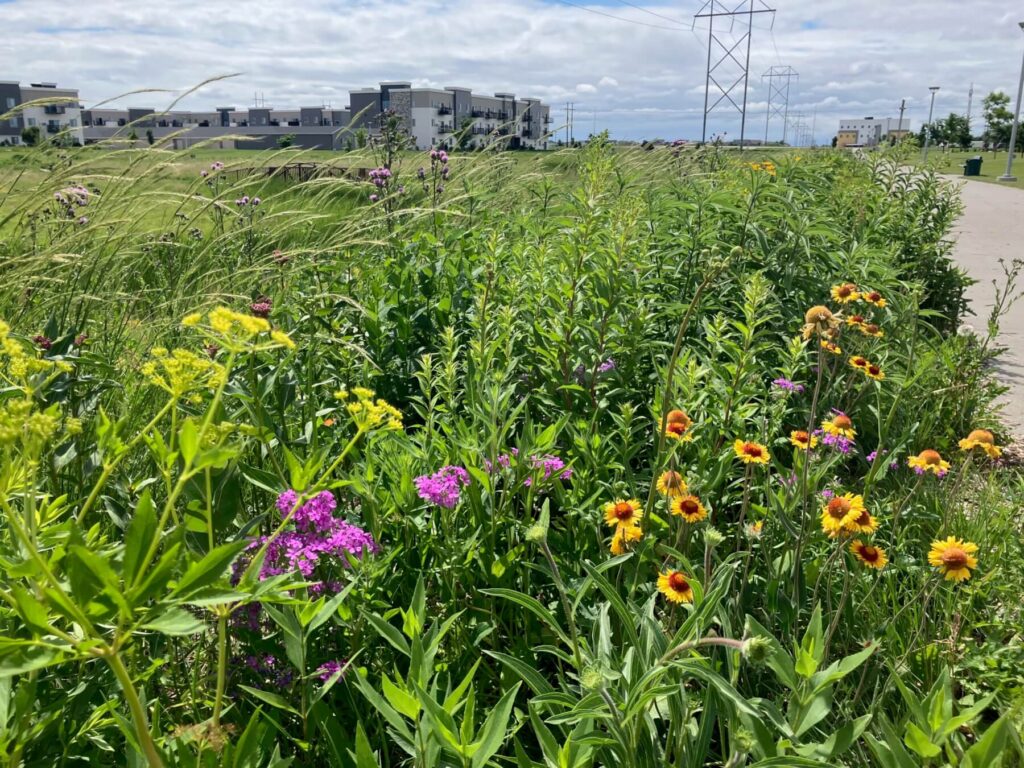
“Our goal is to restore local prairie, and we only harvest seed from truly native, remnant prairies within 60 miles of the Fargo-Moorhead area,” said Delaney. Even small patches of native plants in home gardens can make a big difference by connecting pollinators and wildlife to food and shelter. Delaney’s tips for starting with native plants include:
- Use a site like Minnesota Wildflowers to confirm plant species are native.
- Start with plugs instead of seeds—they establish faster.
- Plant diverse species close together to mimic prairie structure.
- Try beginner-friendly natives like Golden Alexanders, swamp milkweed, blanketflower, and prairie phlox.
Whether through community projects or home gardens, everyone can contribute to prairie restoration—and enjoy the beauty and benefits of being part of nature.
About Cedar Walters