Rural Democracy
Increasing Civic Participation & Supporting Leadership Development
Increasing civic participation and supporting leadership development are at the heart of our Rural Democracy program.
We provide hands-on training for individuals considering running for office, create pathways for historically excluded communities to participate in civic life, and offer ongoing support to local leaders serving their communities.
The need is urgent. In Minnesota, an average of 1 in 21 residents will need to serve in a positional leadership role—whether in local government or a nonprofit—at some point in their lifetime. In west central Minnesota, that demand is even greater: 1 in 9 residents in Wilkin and Stevens Counties, 1 in 8 in Traverse County, and 1 in 7 in Grant County. By this measure, nearly half of our region is considered “leadership distressed,” underscoring the critical need to cultivate and sustain local leadership.
The Rural Democracy program is made possible by funding from the McKnight Foundation.
Connect with Us
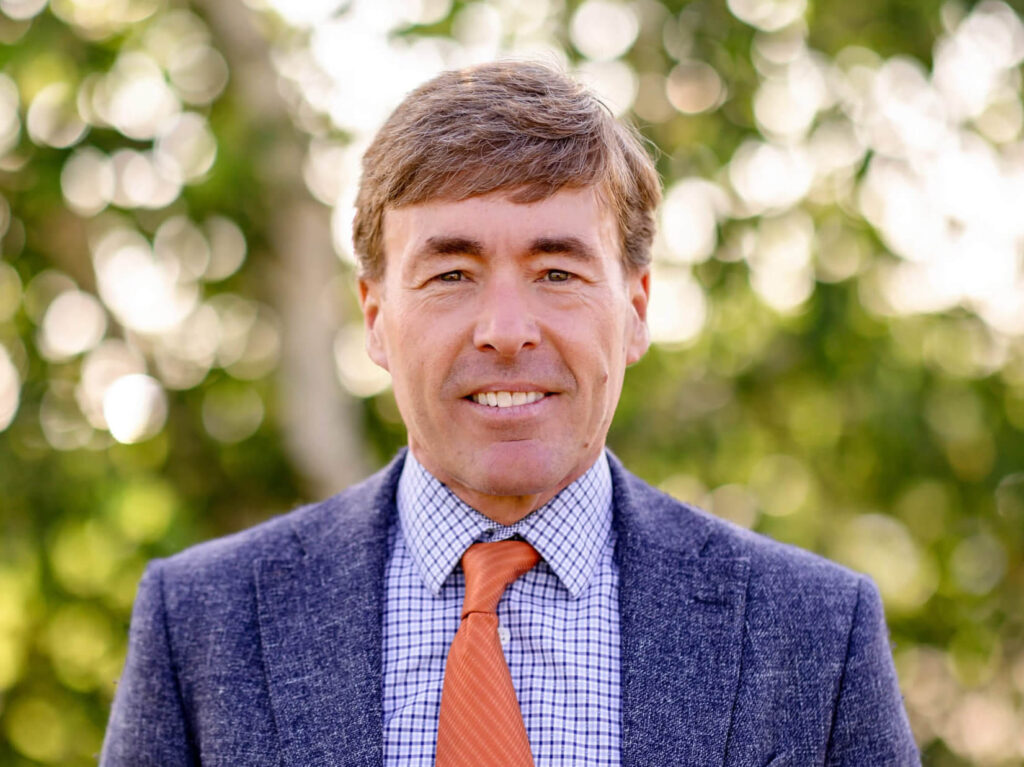
Ben Schierer
Director of Civic Partnerships
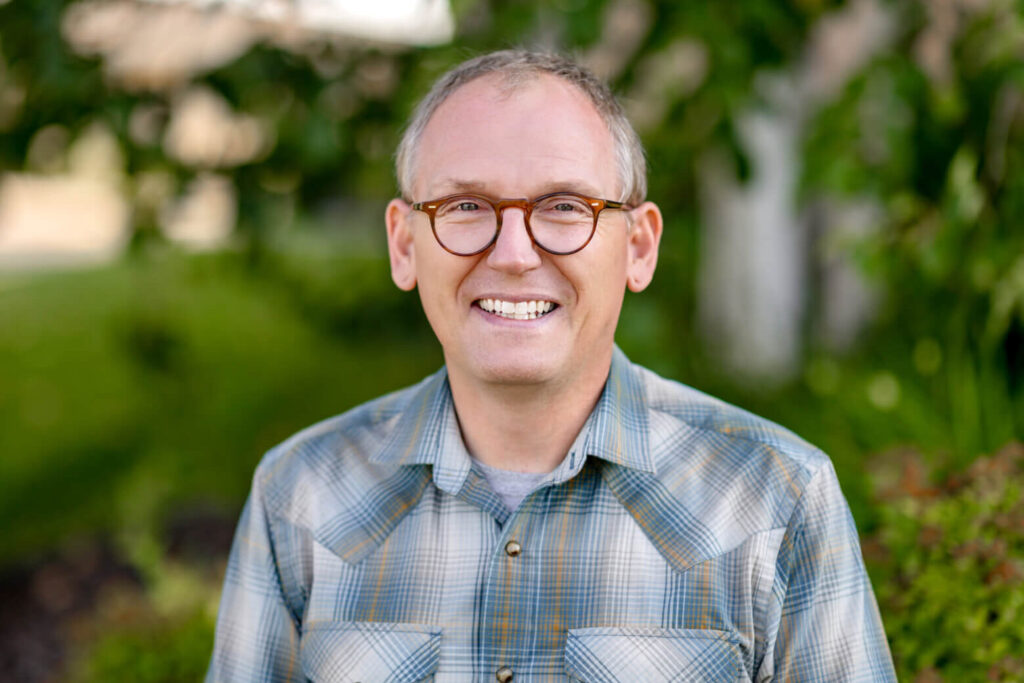
Justin R. Moen
Rural Democracy Network Coordinator
Rural Democracy Programs
Run4Rural
Run4Rural is our free public leadership training program designed for people interested in growing and strengthening their local communities through elected office and other forms of public leadership. This nonpartisan training will be useful for existing and emerging rural leaders and people active in their community whether or not they have decided to run for office.
Going Local
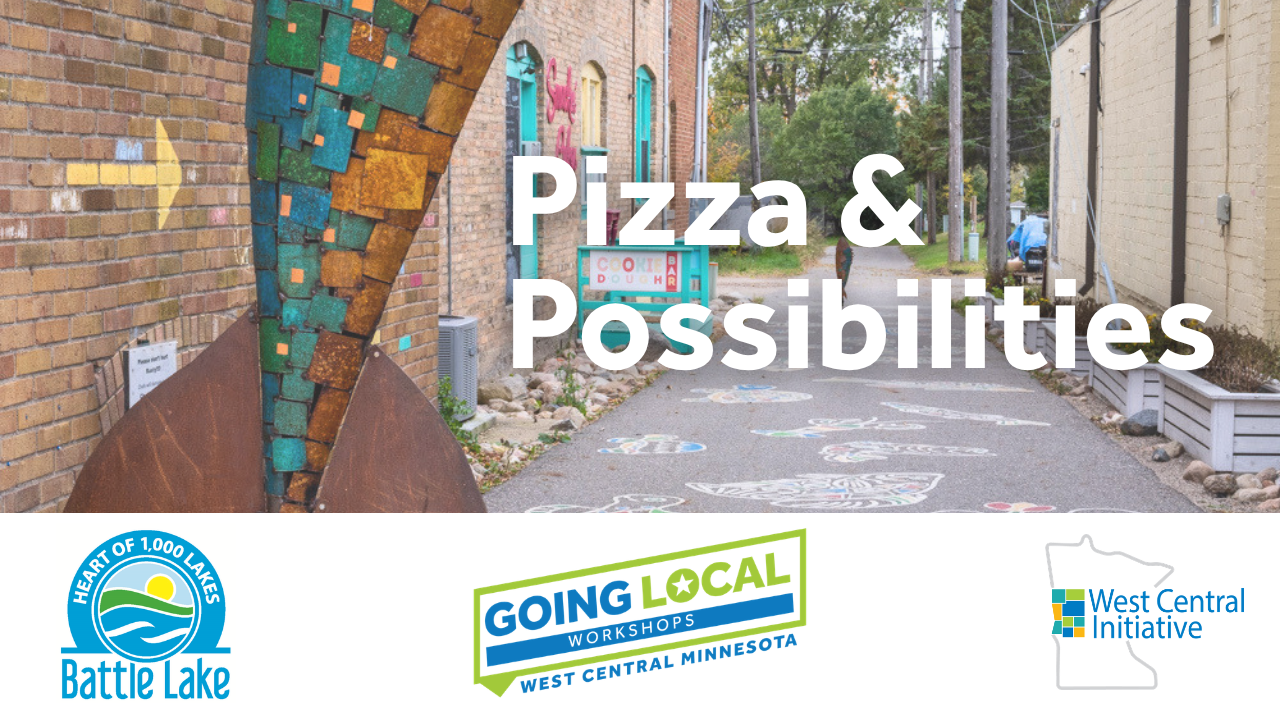
Going Local is our free rural democracy workshop. At the Going Local workshops, we’ll share food and stories, learn about some of the unique challenges rural communities face, and explore what we can do together to make our community stronger and healthier.
Rural Advocacy & Public Leadership Program
The Rural Advocacy and Public Leadership Program is our free six-month leadership and advocacy program designed for people interested in strengthening our democracy and supporting the development of good governance in their local rural community. Applications for the 2026 cohort are closed.
The application for the 2026 cohort is closed.
Cohort participants will come from the public and the nonprofit sectors, including people already serving in leadership positions, along with those seeking leadership roles in elected office, the public sector, or the region’s civic organizations. Applicants from the region will be given priority, and applicants from outside the region will be accepted if there is space available.
Classes will be a mix of online and in-person gatherings. Classes will be four hours long and will meet on the following dates:
- January 31
- February 21
- March 14
- April 11
- May 2
- May 23
Participants will be provided with readings, videos, podcasts, and presentations from guest speakers. Lots of time will be spent in discussions, learning from each other, and through doing, by developing a local “hands-on” project to address an issue in your community. Along the way, students will write reflections on their learning and projects.
Rural Advocacy and Public Leadership is a free program that draws on and will connect with the 20-year-old Master of Advocacy and Political Leadership (MAPL) at Metro State, a Minnesota State System Institution and will offer each participant 4 credits towards a Bachelor of Arts or an Master of Arts degree.
- Connecting and collaborating toward common goals across a diversity of interests, experiences, and backgrounds.
- Developing organizing and advocacy skills for and in rural communities.
- Mapping your rural community to better understand the breadth of its resources, experiences, and interests.
- Learning about making policy and community change at the local level.
- Developing creativity and building resources to do this work over the long haul.
- Share leadership and organizing skills.
- Analyze together the challenges and opportunities in the west central region for democracy and leadership.
- Deepen knowledge related to public policy and its impact on rural communities.
- Work on applied projects in the region as a way of practicing and learning.
- Build a cohort of active community members and leaders who can support each other and start to build a cross-region network of folks who care about these issues.
- Deepen knowledge related to public policy and its impact on rural communities.
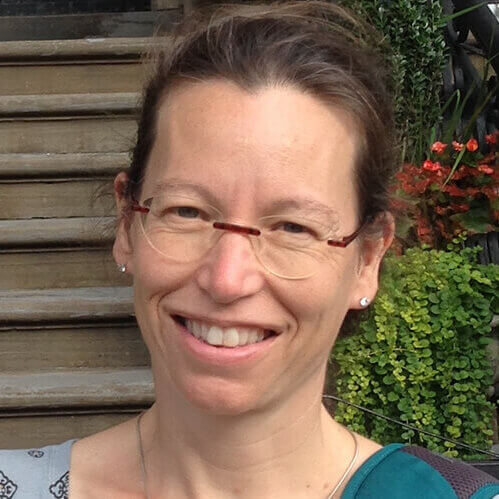
Adrienne Falcón, Ph.D. (she/her)
Adrienne is a sociologist and community organizer who is deeply committed to supporting people to become the social change leaders that they want to be. She has a BA in Latin American Studies, and an MA and PhD in sociology from the University of Chicago. She currently teaches in and co-directs the Master of Advocacy and Political Leadership at Metro State. She is also involved in her local community of Northfield, MN where she serves as Co-President of the League of Women Voters and on a statewide Census committee. She is excited to learn with and from the participants in this class about the West Central region and how to support the development of good government that responds to people’s concerns and commitments.
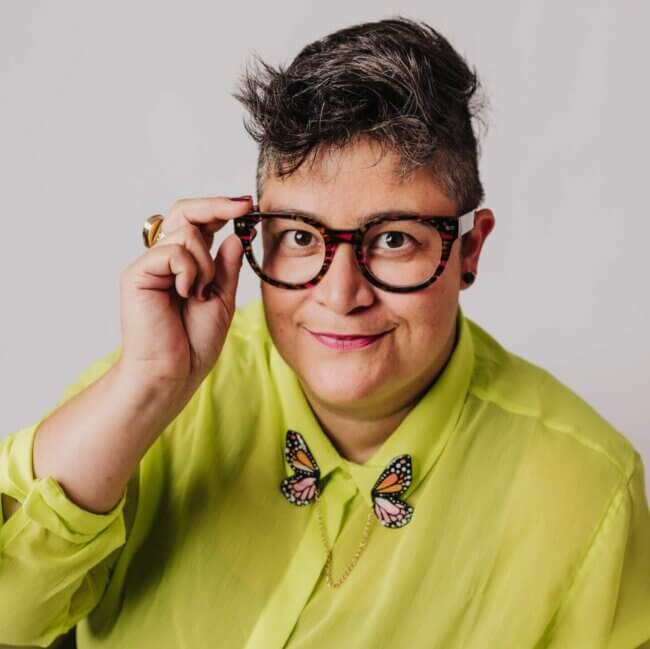
Kandace Creel Falcón, Ph.D. (they/them)
Kandace is an interdisciplinary feminist scholar, writer, and visual artist. Their life’s passion grounds the power of narrative for social transformation. In 2004, Creel Falcón earned a B.A. in Women’s Studies, and a B.A. in Psychology with a Minor in Leadership Studies from the University of Kansas. They earned a Ph.D. in Feminist Studies from the University of Minnesota in 2010. They taught and directed the Women’s and Gender Studies Program at a regional university in Northwest Minnesota for nearly ten years while publishing research on Chicana feminism, feminist pedagogy, equity work in higher education, and digital media storytelling practices. Following a successful career in academia, Creel Falcón earned an Associates of Fine Arts Degree from Minnesota State Community and Technical College in 2020 to pursue an artistic career. Creel Falcón lives and works in rural Erhard, Minnesota.
Lead Local
Lead Local is our network that connects and supports local, rural elected officials. It provides a supportive community for elected leaders interested in working with other elected leaders who share their commitment to good government and to using their local elected office to positively strengthen the community and improve the lives of their constituents.
Rural Democracy Network
This network is the Rural Democracy program’s broad umbrella organization for people who are concerned about the growing divisions that challenge our local rural communities and threaten neighborliness and good governance in the region. This network aims to educate, support, and build up community voices, strengthen good government, and reflect the diversity within our communities.
Intro to Civic Life
We collaborated with Culture Diversity Resources to offer a five-part training on how to become involved in public life in the United States.
Stay tuned for future training dates.
Upcoming Events
Connect with Us
Ben Schierer
Director of Civic Partnerships
Justin R. Moen
Rural Democracy Network Coordinator