Building Local Resilience with Residential Solar

Reading Time:
The sun provides free, renewable energy—and more homeowners in west central Minnesota are starting to take advantage of it. While residential solar installations are still relatively limited across the region, interest continues to grow as energy costs rise and more people look for ways to take control of their energy use.
Three local homeowners recently shared why they chose to install solar, what they’ve learned, and how solar fits into their lives today. Each story reflects a different motivation, but all point to a common theme: building resilience at home.
A Natural Fit for Sustainable Living
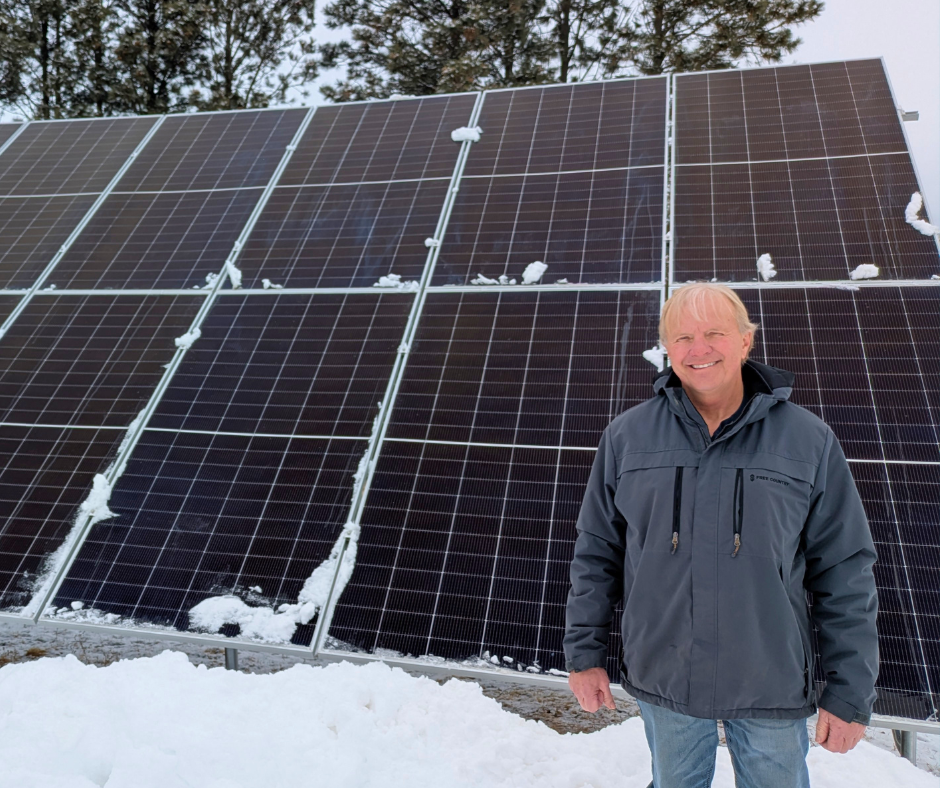
Luther and Julie Aadland have spent nearly 35 years building a sustainable lifestyle on their farmstead north of Fergus Falls. Over time, they restored prairie and savanna habitat, planting more than 5,000 trees. Adding solar felt like the next logical step.
“We’ve always wanted to reduce our impact on the earth and on nature,” said Luther. “Through our careers with the DNR and other state agencies, we’ve witnessed firsthand how human impacts are fundamentally changing the land around us.”
After joining the 2025 Lakes and Prairies Solar Co-op through Solar United Neighbors, the Aadlands installed a 12-kW ground-mounted system above their hillside home. Combined with efficient heating, cooling, and land stewardship, they now see their lifestyle as close to carbon neutral.
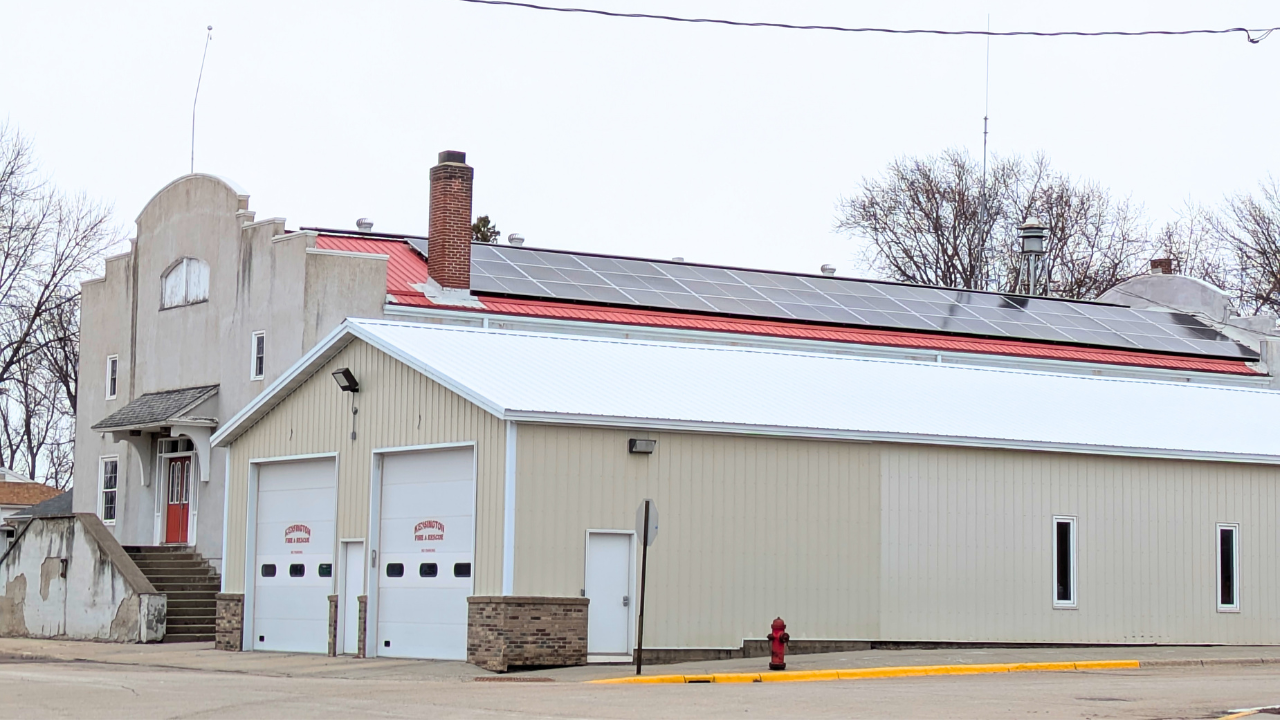
Powering Peace of Mind in Kensington
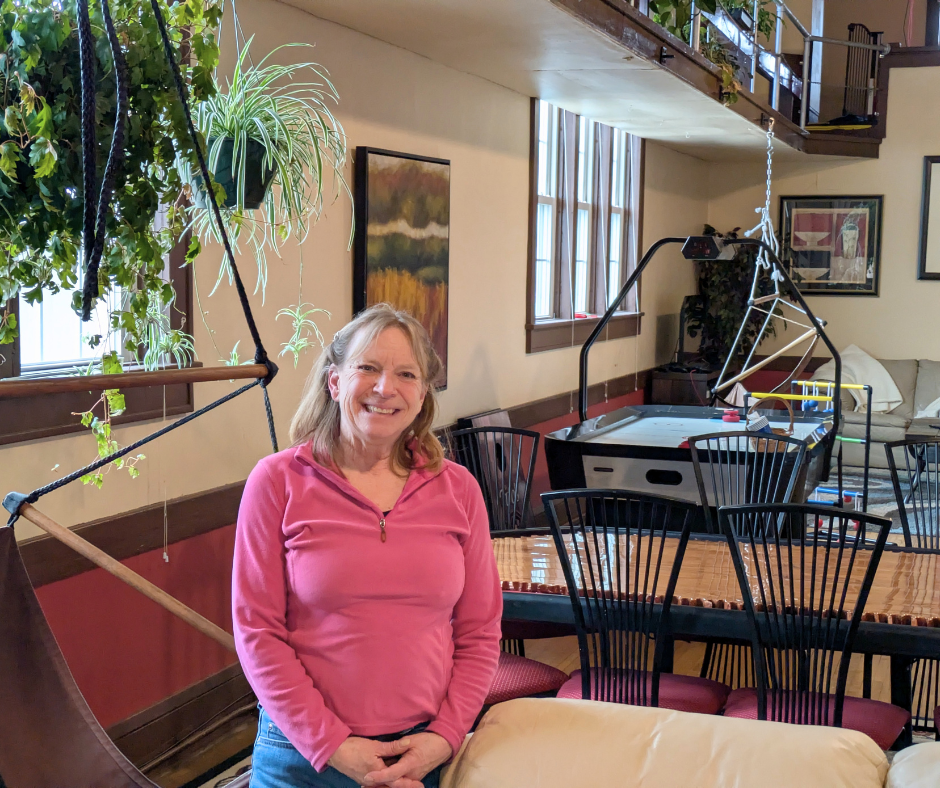
Julie Smith took a different approach, focusing on energy security and protecting others. Her property in Kensington has served many purposes over time—from a schoolhouse to a family home to its current role as the Old Town Hall Airbnb.
Her most recent investment included a 28-kW solar array paired with a 30-kWh battery system. The setup produces roughly as much energy as the building uses annually, while also providing backup power for essential systems like lighting, refrigeration, and cooking.
Smith made the decision with her guests and family in mind.
“How can I protect the people and things I love when I can’t rely on traditional systems?” she said.
Solar and battery storage now allow her to keep the property running during outages and provide peace of mind for visitors and family members nearby. She also sees future potential for the space, including community-focused uses like a youth center.
A Practical Choice on the Farm
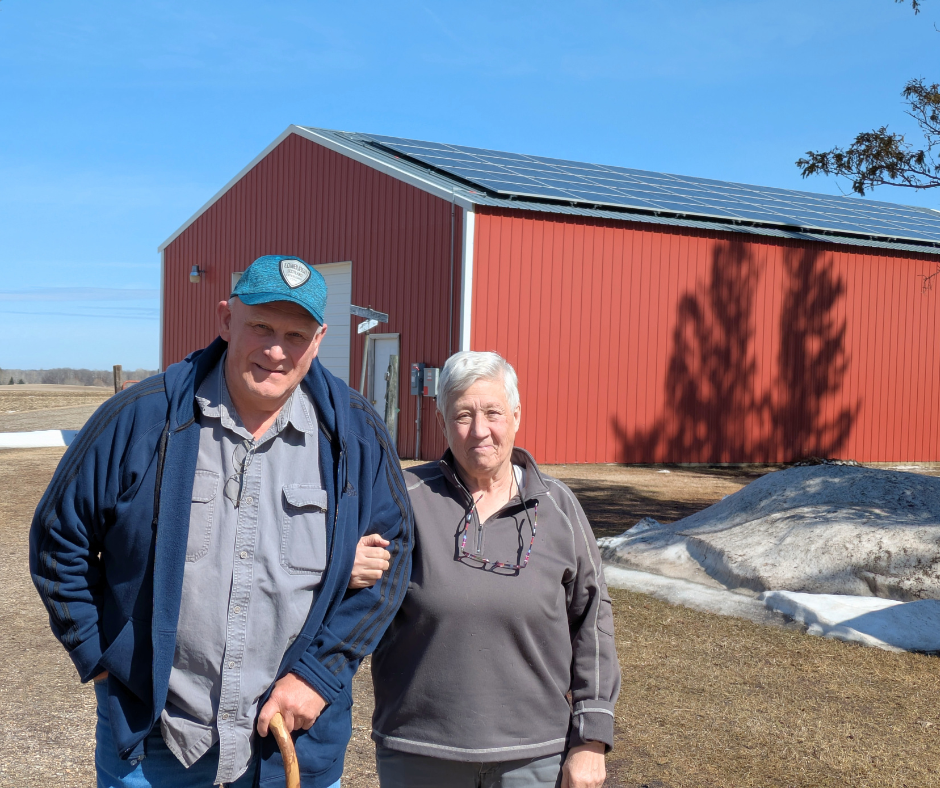
For Otter Tail County Commissioner Robert “Bob” Lahman and his wife, Connie Tarasek, installing solar came down to practicality and long-term thinking. About three years ago, he installed a 20-kW system on his farm near Parkers Prairie.
“It’s common sense,” Lahman said. “Installing solar, for us, was just the right thing to do, especially given climate change.”
Lahman, a diesel mechanic and auto parts salesman, approached solar from a practical perspective. His decision reflects a growing trend among rural residents. He didn’t expect the system to generate significant financial returns
“It wasn’t about saving a ton of money or making money,” he said. “Realistically, we didn’t go into this expecting a full financial payoff in our lifetime. It’s not something we would have done when we were younger, but now we have the resources to invest in this and offset our impact.”
His system now offsets nearly all of his household’s energy use. His experience also helped inform his work as a county commissioner, where he supported solar investments at the county level.
Looking Ahead for Residential Solar
These homeowners may share more than just solar panels—they share their experiences. Their stories help neighbors understand what’s possible, from choosing an installer to understanding system benefits.
As energy costs continue to rise and communities face growing climate challenges, solar remains a practical and forward-looking option. For many homeowners, improving insulation and upgrading appliances still comes first. But solar and battery storage now offer an additional way to stabilize energy costs, increase independence, and build long-term resilience.
Even without the residential solar tax credit, interest continues to grow. More homeowners see solar not just as an environmental choice, but as a way to take control of their energy future.
To learn more about going solar or to join an upcoming solar co-op, visit our Solar Energy Resources page to connect with resources designed to help you take the next step.
About Griffin Peck