
Outdoor Recreation in a Mild Winter: A Conversation with Erik Osberg

Reading Time:
Although we’re experiencing a historically warm, wet, and snowless winter, we can still spend time outside this season. Erik Osberg offers some ideas on how to take advantage of a milder winter and participate in outdoor recreation.
Erik Osberg is the Rural Rebound Initiative Coordinator in Otter Tail County. His job is to market our region, attracting people to come here. He does this partly by promoting winter recreational activities—like cross-country skiing, snowshoeing, snowmobiling, and ice fishing.
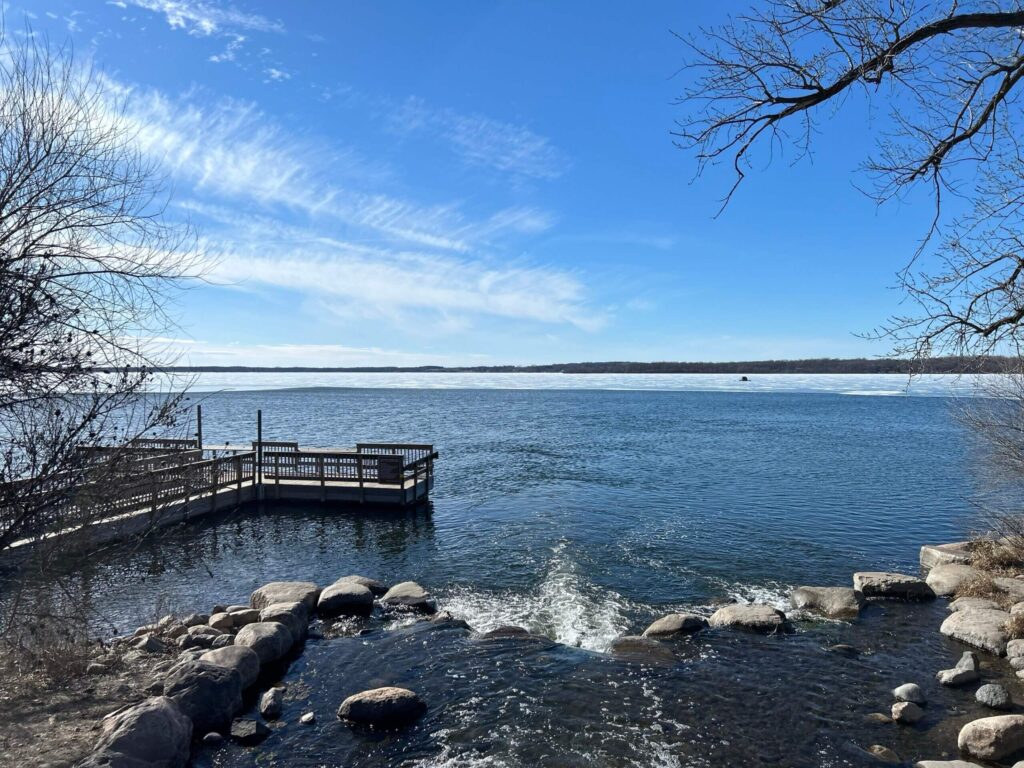
As you may have noticed, we lack the amount of snow needed for many of those common winter activities. Erik has had to pivot and adapt to a different kind of winter, and he offers some advice to all of us who may miss the snow this winter.
Why is it so Warm?
While it’s impossible to find the exact cause of a milder winter, the DNR speculates two main culprits: El Niño and climate change. El Niño is the name for warmer-than-normal surface waters that develop and persist near the equator in the eastern Pacific Ocean. This heat eventually moves eastward, producing an overall warming effect globally.
Along with El Niño, winters in the region have been rapidly warming in recent decades due to increased greenhouse gas concentrations. This leads to increased winter heat retention and the overall warming of the global climate. The DNR indicates that the typical winter day is now several degrees warmer than in the middle of the 1900s. The average low temperature during our coldest month of January has increased by over 10 degrees Fahrenheit in some areas.
Ice Fishing
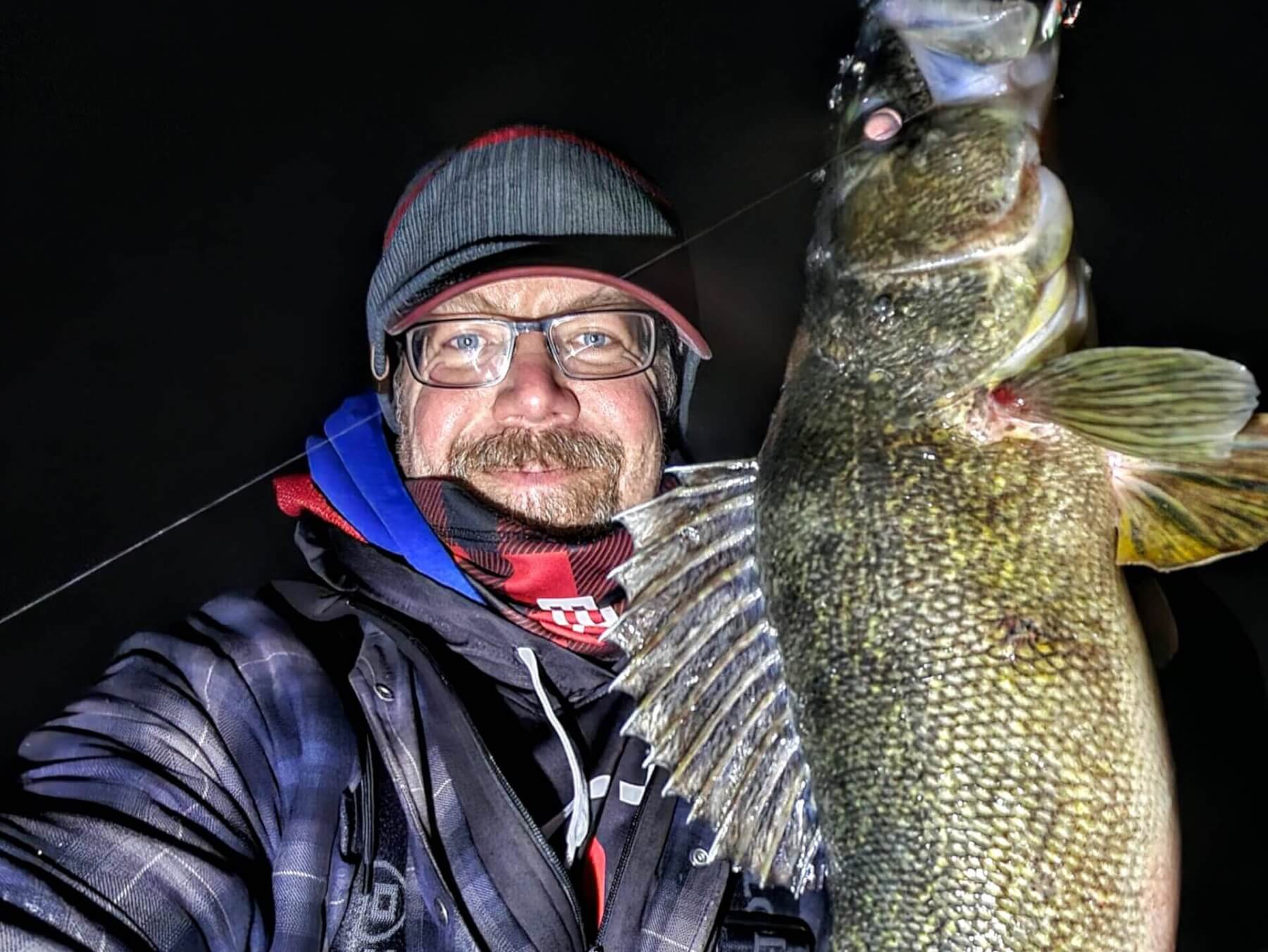
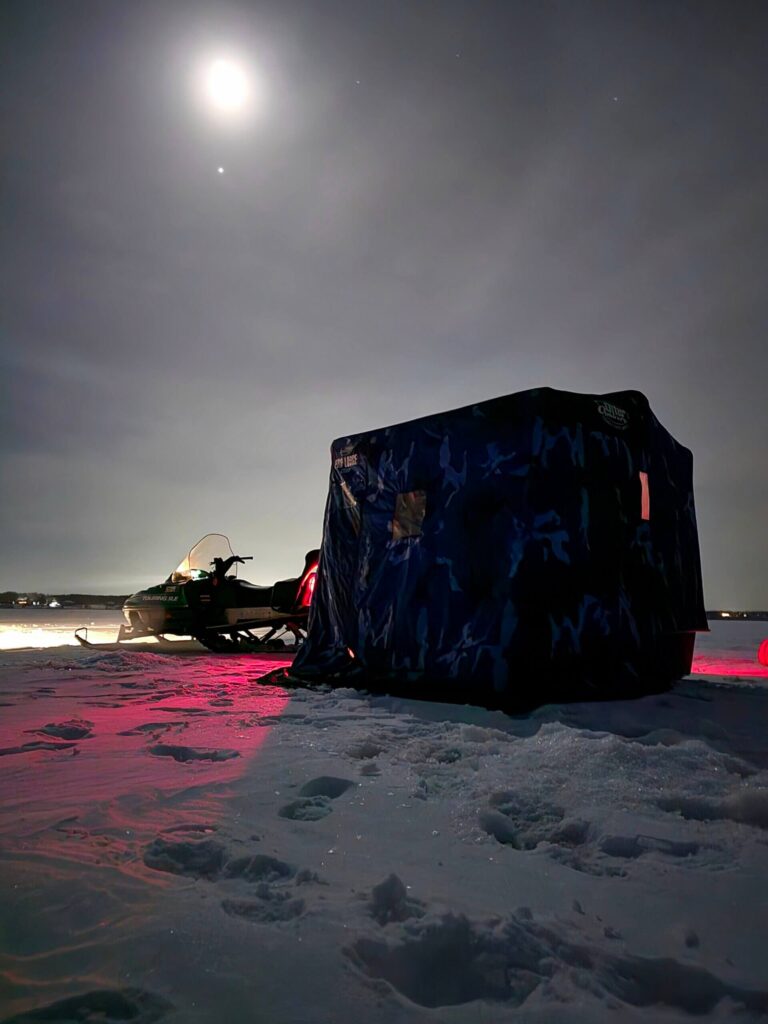
Despite warmer temperatures, we’ve still had opportunities to go ice fishing. An avid angler, Erik has ventured on the ice this winter, adapting to the conditions.
“Normally you would drive by a lake and see a small village of fish houses,” said Erik. “I’m not saying there isn’t anybody fishing—it’s just different. There’s not two feet of ice, more like 13-15 inches.”
If you plan on ice fishing this season, follow some of Erik’s tips:
- Depending on the amount of ice, ice fishers may want to be careful about driving a car onto the ice. Instead, walk or ride a snowmobile or ATV.
- Use a portable fish house instead of a permanent trailer.
- Drill multiple holes while traveling light to get an idea of the ice width.
- Make sure that you are safe and use caution while on the ice.
Other Outdoor Opportunities
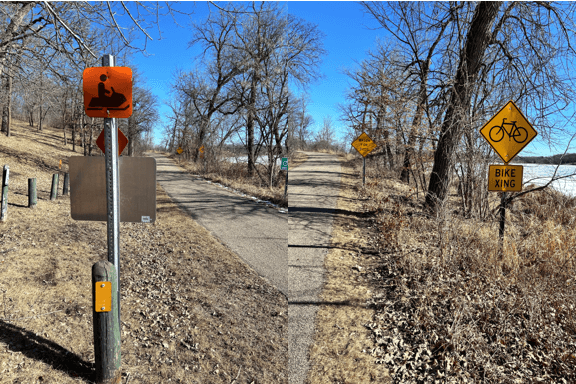
While we may not be able to cross-country ski or sled down a hill, a mild winter has one large benefit—an early spring. You could take a walk in your neighborhood or at a local park—either in a pair of snowshoes or hiking boots. Feel free to take advantage of the hundreds of biking trails in our region. What is important to Erik and other Minnesotans is just spending time participating in outdoor recreation.
“Outdoor recreation can be that simple,” Erik said. “It can just be getting fresh air, feeling sunshine on your shoulders, or hearing the birds chirping. That’s better than nothing.”
Next Year’s Winter
It is hard to predict weather patterns, and there is no guarantee that next year’s winter will be different from this year’s. We’re at risk of losing an important part of living in west central Minnesota. The solution to protect some of Minnesota’s identity is to be flexible.
“If this becomes the new norm, how will we adapt?” Erik said. “We’ll think of unique ways to keep getting outside. Your mom was right—go outside and play. It doesn’t matter if you’re tossing a ball around, kicking a can, or riding a snowmobile.”
Want to learn more?
Attend the University of Minnesota Climate Adaptation Partnership webinar about climate threats to outdoor recreation on March 19.
About Brogan Ludwig