Grant Opportunity
West Central Initiative Grants
Sustainability, social change that advances equity, and civic engagement are vital for a healthy, resilient region. We created these grant opportunities with those priorities in mind.
2026 Grant Round
We’ll award grants in three priority areas:
- Environmental Sustainability Grants will support community-led projects and nonprofits with a focus on sustainability and climate initiatives.
- Social Change Grants will support organizations working with historically marginalized communities to advance equity and systems change.
- Civic Engagement Grants will support nonpartisan organizations that promote social change, cultivate local leadership, educate communities about government and civic systems, and encourage participation in public meetings.
We understand the intersectionality of this work. To simplify that application process, organizations can complete one application that covers multiple focus areas. Only one application will be considered per organization.
Grants will range from $3,000 to $25,000. However, most grants will range from $3,000 to $10,000.
Grant dollars can’t be used to cover expenses incurred prior to grant approval or for religious activities, lobbying, or political activities.
Requests can be for either general operating expenses or for a specific project or program. Events with long-term impact may be considered. General operating support is most likely to be awarded to an organization that has an established presence and several years of activity in its community.
Connect with Us

Amanda Quam
Grants Officer
Grant Information
Important Dates
Funding Priorities
Eligibility
To be eligible for West Central Initiative Grants, your organization must:
- Be a 501(c)(3) nonprofit organization, public or nonprofit school, or unit of government (including Tribal government or division) or must be fiscally sponsored by another organization with this status.
- Serve people in West Central Initiative’s geography, which includes nine counties: Becker, Clay, Douglas, Grant, Otter Tail, Pope, Stevens, Traverse, and Wilkin and White Earth Nation.
- Funds managed by West Central Initiative are not eligible at this time.
Evaluation Criteria
We’ll use the criteria listed below to review proposals. Our desire to spread awards across the region may result in a proposal being considered for funding even if it does not fully meet all the criteria.
- Sound Planning: The goals of the project and the steps to be taken to achieve them are clearly stated. The budget is realistic in relation to the applicant’s goals and activities.
- Organizational Capacity: The applicant’s proposal demonstrates that they have the capacity, leadership, and resources needed to complete the work to be funded.
- Inclusive Community Engagement: The proposed project engages diverse populations and advances new community collaborations. The funded work will strengthen community partnerships and mobilize community members, particularly historically excluded groups.
- Impact: The results of the proposed work are clearly stated. The applicant has defined the quantitative (countable) and/or qualitative (describable) measures they will use to gauge the success of their efforts.
Budget Guidelines
Please specify all expenses that will be covered by this grant. Itemize anticipated expenses for this proposal. We invite you to upload a spreadsheet including staff costs, materials and supplies, and travel expenses when relevant.
If you apply for general operating expenses, please upload your annual operating budget.
General budget components:
- Direct Costs: Explicit expenses tied directly to project activities, including staff salaries, fringe benefits, and specialized equipment.
- Indirect Costs (Facilities & Administrative Costs): Overhead expenses such as facility utilities and administrative support that are not easily assigned to a single project.
- Income/Revenue: Sources of funding, including the requested grant amount, organization contributions, and other confirmed external support.
- Budget Detail: A written explanation that justifies each line item and explains the mathematical calculations used to reach the total estimates.
Helpful resources:
Application
All applicants must apply through our application portal. You will need a SurveyMonkey Apply account to start an application. If you have applied for a grant through SurveyMonkey Apply in the past, we recommend using the same account information for this application. The application will open on January 20, 2026.
Frequently Asked Questions
Yes! As long as your project will conclude before May 27, 2026, your organization is eligible to apply to this grant round.
- Organization information, such as contact information, address, EIN number, and mission statement.
- Project information, such as project name and project dates.
- Information about the population served (number of people, geographic, and demographic information).
- Funding information, such as total project cost, amount requested, and other funds raised for the project, along with a project budget.
- A workplan summary.
- Project accessibility.
- Outcomes measurement.
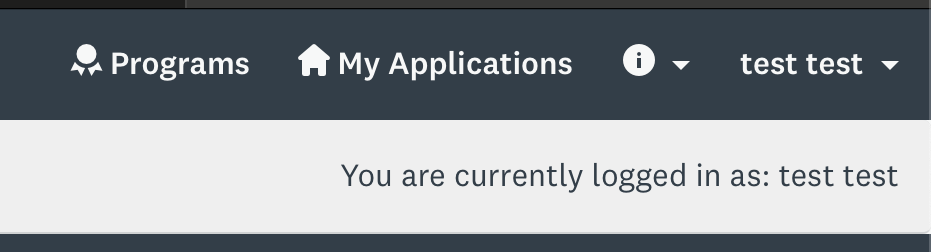
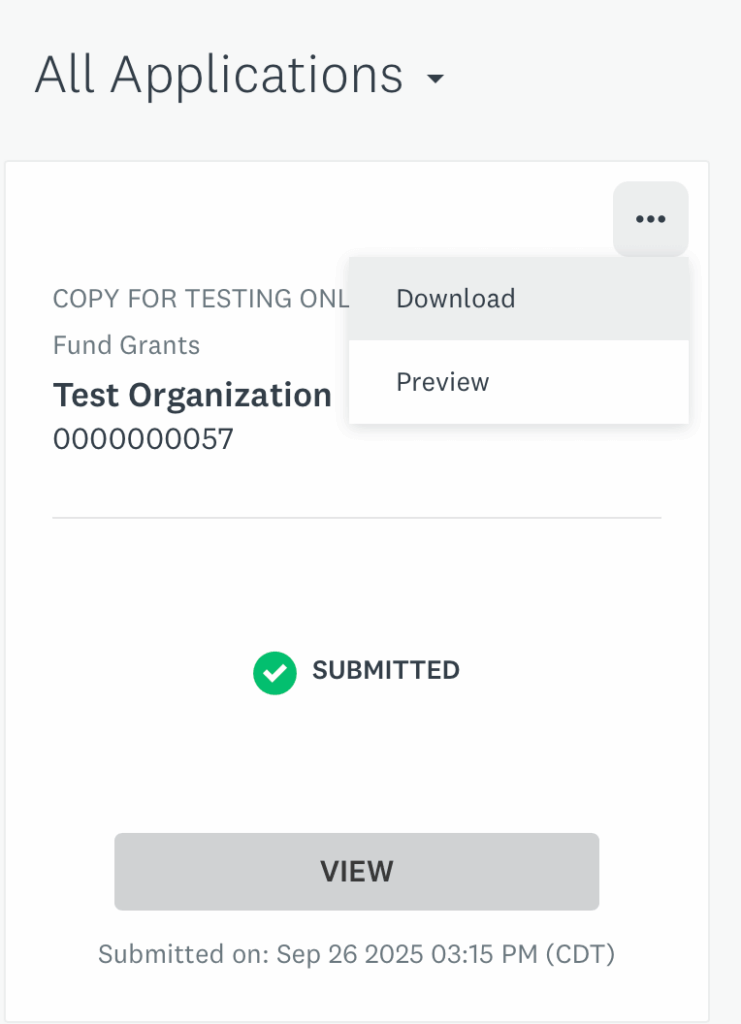
Yes, once you have started or submitted an application, you can download it as a PDF to view the full application. To do so, find the application you’d like to view under “My Applications,” at the top right of your screen. Then, click the three vertical dots on the application and select download. You may wish to download a copy of your submitted application for your records.
A fiscal agent is an organization that agrees to accept and be responsible for grant funds on an organization’s behalf. A fiscal agent must be a nonprofit organization, school, church, or unit of government. Before listing a fiscal agent on your application, you must discuss entering this partnership with them. The fiscal agent should be a trusted partner, as they will receive the grant check if your organization is selected as a recipient.
Component funds of West Central Initiative that don’t have their own 501(c)(3) status are not eligible to apply, unless partnering with a fiscal agent.
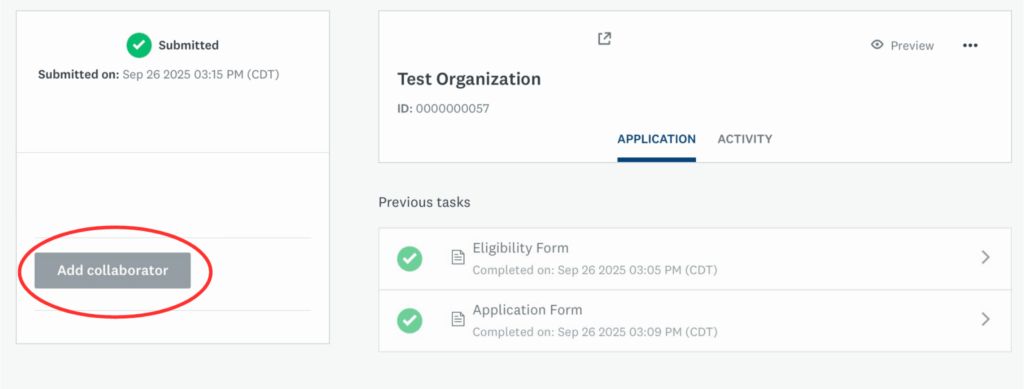
If you are partnering with a fiscal agent, you must add a collaborator to your application. You can also add anyone else you would like to help with the application as a collaborator. To do this, click “add a collaborator” on the left side of the screen before you start the application form, and enter the email addresses of those you would like to invite to collaborate. Please select “view & edit” permissions for the fiscal agent contact.
You can also add a collaborator after you start your application by going “back to application” and adding a collaborator.
Previous Grant Award Listings
Connect with Us
Amanda Quam
Grants Officer