
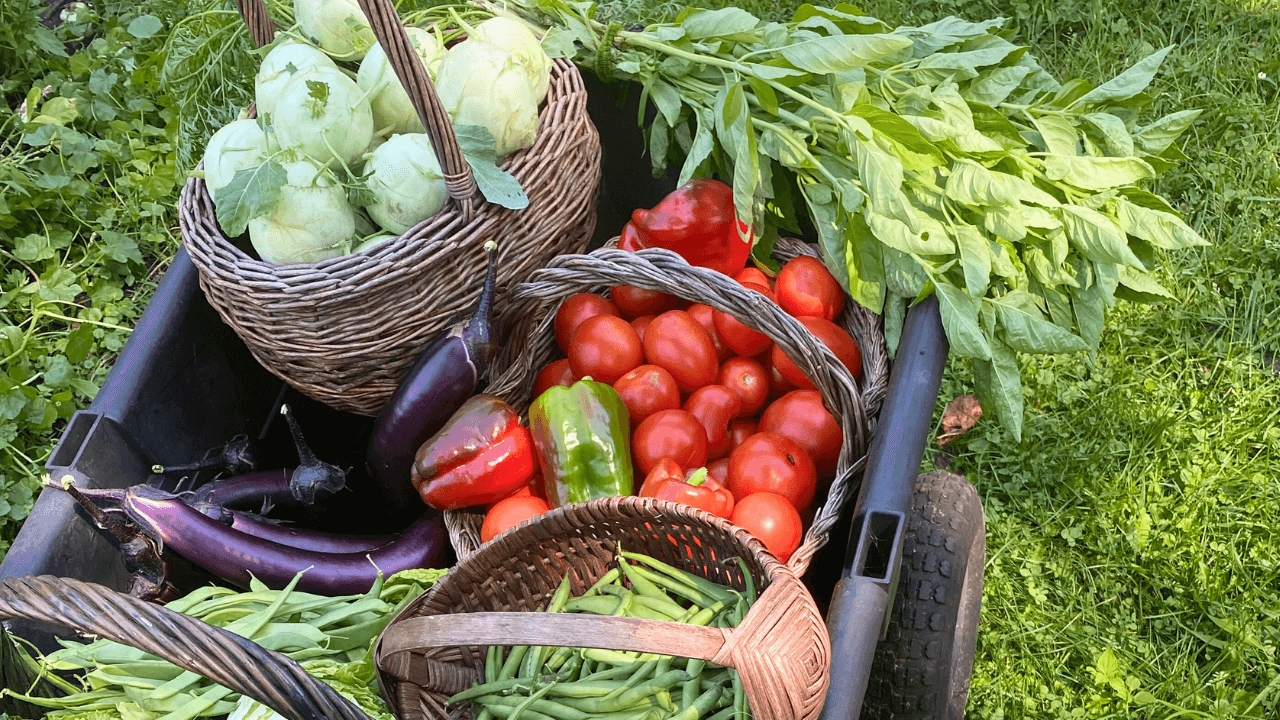
From Root Cellar to Freezer: Eating Local All Winter Long

Reading Time:
Buying local has a lot of appeal, both for lessening environmental impact and for supporting local economies. However, while the Packer’s Fresh Trends 2025 survey found that 68% of consumers feel strongly about buying produce locally, only 35% of consumers actually make substantial purchases of locally produced foods.
This gap between consumer sentiment and action shows that people are interested in local foods, but it can be difficult for them to access due to needing to purchase local foods outside of a supermarket setting. Buying local year-round can be even more difficult here in Minnesota, given the limited growing season and lack of farmers markets during the colder months. However, there are still numerous ways to consume more local food in the winter. To get more insight on this, we asked some community members to showcase how they continue to eat local in the winter.
Growing It Yourself
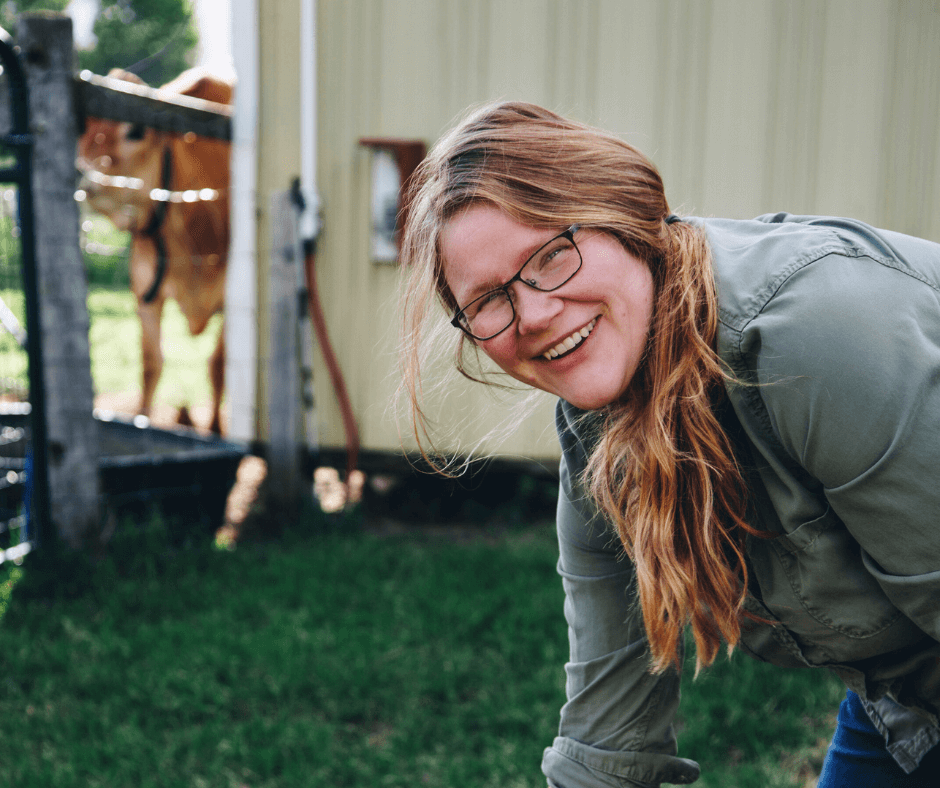
Kelsey Wulf, creator of Rough and Tumble Farmhouse, highlights the benefit of having space to grow her own produce. “We are lucky enough to live on five acres where we grow a nice little garden,” she said. She grows a variety of crops including tomatoes, cucumbers, cabbage, and peppers.
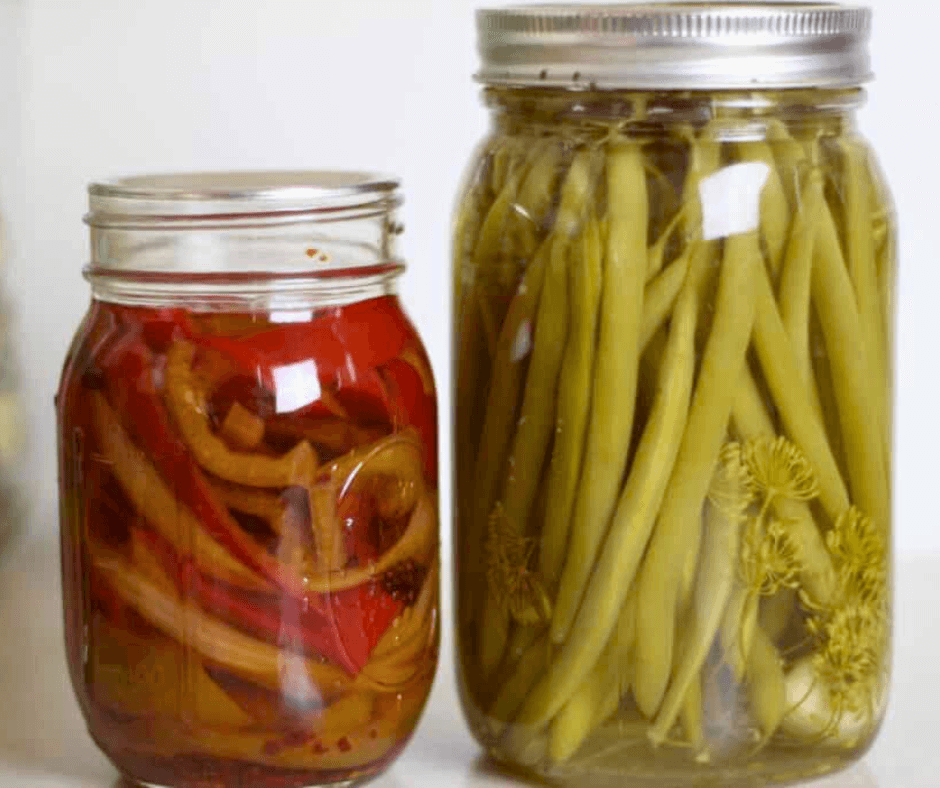
Everything she grows is preserved for winter in a variety of ways. She ferments, freezes, makes sauces, and pickles to ensure nothing goes to waste. “Little by little I am able to take whatever is currently in season, and squirrel it away to eat on snowy days.” One of her favorite projects is making sauerkraut from the cabbage she grows herself. From preparing seeds in the spring to harvesting and fermenting in the fall, she enjoys experiencing the full journey of a single vegetable throughout the year. You can learn more about Kelsey and find additional inspiration on her website.
The Importance of Preserving Food
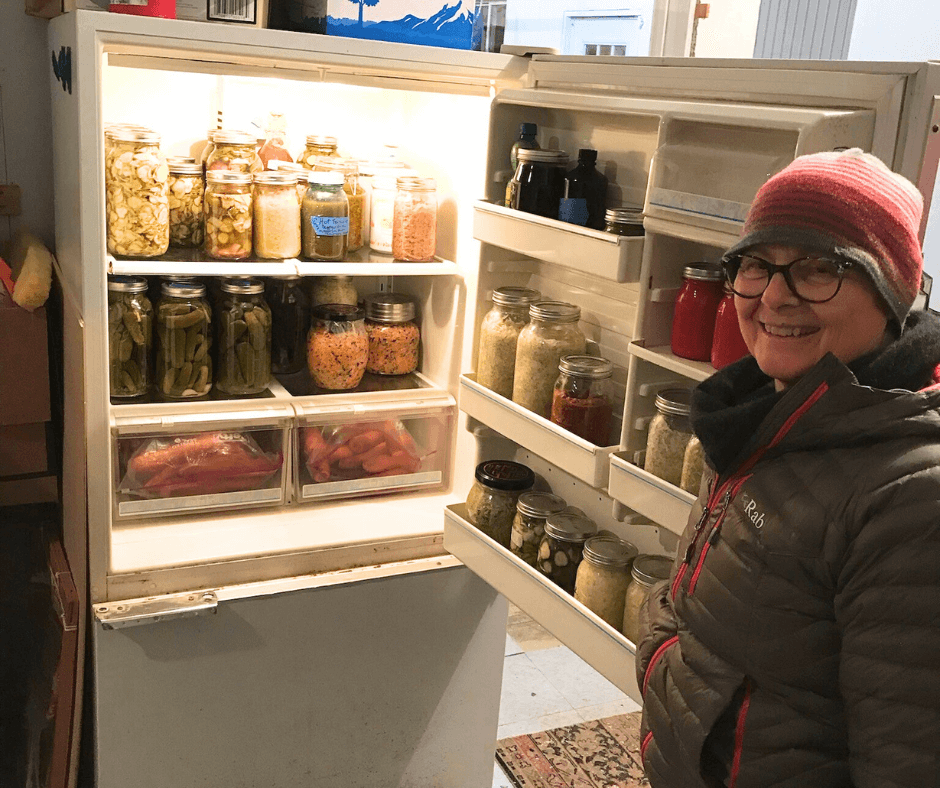
Katy Olson and Ron Roller also have a large garden, and they go above and beyond when preserving what they grow. “We store root vegetables and cabbages in our root cellar,” said Katy, who also uses fermentation as a preservation technique for sauerkraut, kimchee, hot sauce, and pickles. “We can a variety of tomato products, salsa, soup bases, and ratatouille. We freeze beans, kale, and fruits we pick, as well as containers of zucchini, onions, and peppers that are used in many dishes.”
Everything they grow in their garden is used throughout the year. “We do an intensive amount of food preparation and canning from the beginning of August to the end of September and into October,” said Katy. “Then we eat really well the rest of the year.” They even make their own maple syrup!
No Garden Space? No Problem!
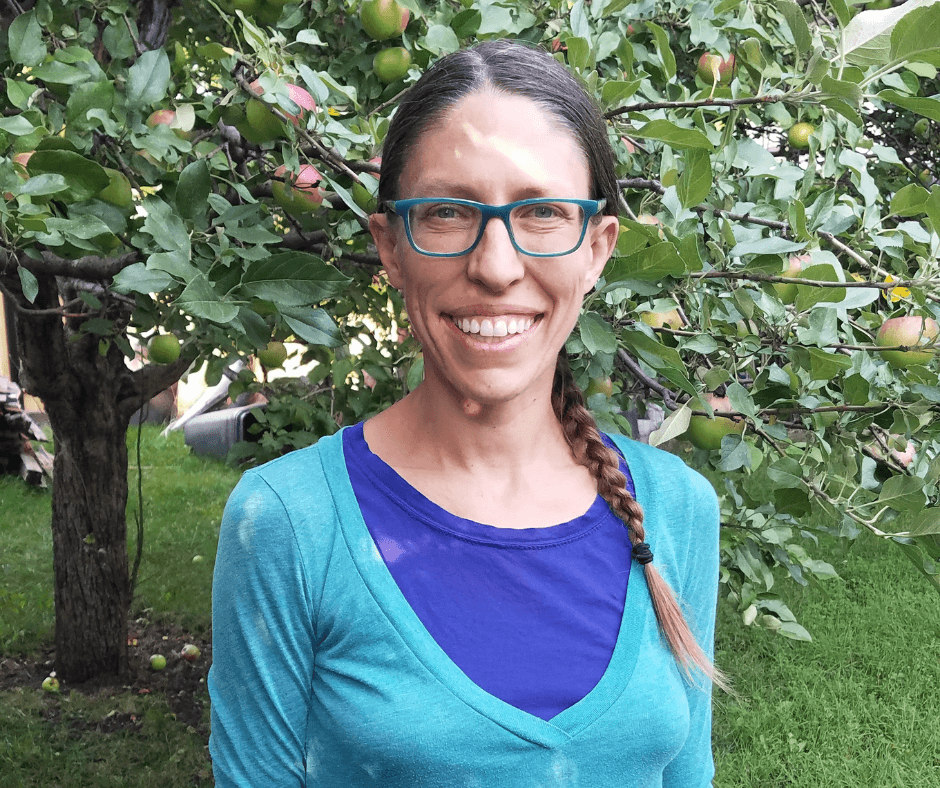
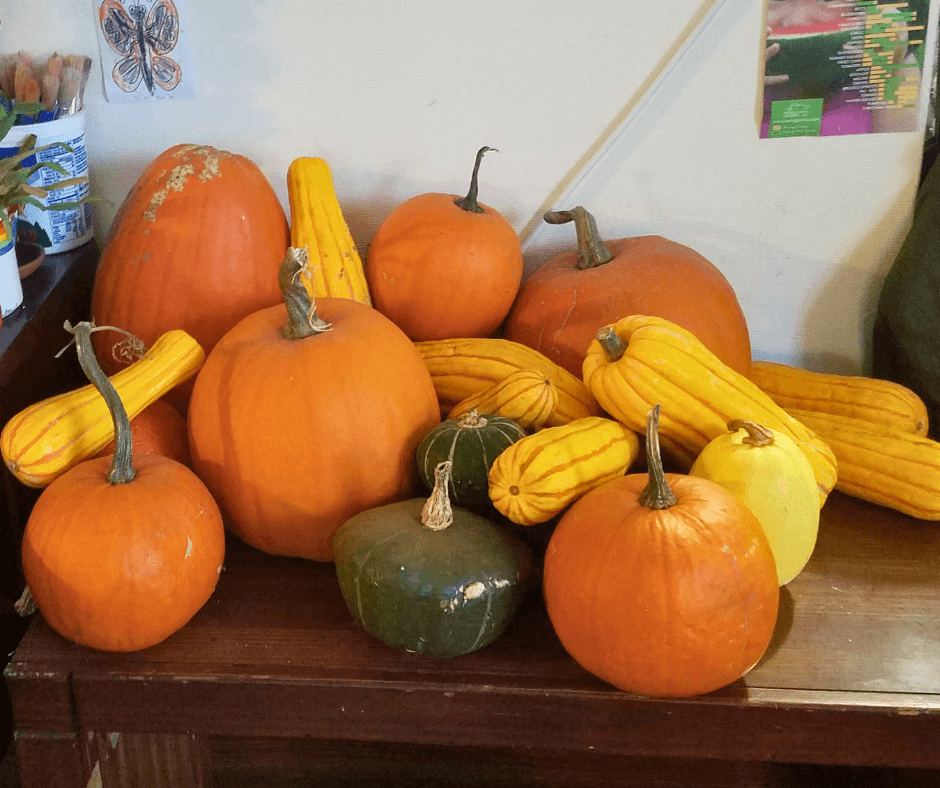
Even if you don’t have space for a root cellar or a garden, there are still plenty of ways to include local foods in your winter diet. Jen Walla, owner of Home on the Prairie Childcare, incorporates many local foods into her and her kids’ meals. In the winter, she focuses on squash and incorporates it into almost everything. She also relies on foraging to source local foods, collecting berries, greens, and certain mushrooms that are preserved through freezing or dehydration.
Jen buys most of her other food products locally, too. “I buy local oats from Doubting Thomas Farms in bulk 20- to 30-pound bags that I use in cookies, bars, and for breakfast,” said Jen. “From Askegaard Farms, I buy 20 to 30 pounds of local whole wheat flour in bulk, which is used for much of my baking, and bulk kidney beans. We also purchase wild rice harvested on Minnesota reservations.”
Jen even gets the kids at her child care center involved, and they’re always more than willing to help out. “The kids stop their play activities here and there to help me pull apart seeds from greens, pack dried food into jars, stir pots of soup, and listen to jar lids pop as they cool and seal,” said Jen. “They are super excited to eat the potatoes and carrots that they dig out of the garden each fall, and to try the peas and beans that they pick over the summer.”
A winter recipe Jen really likes is this creamy pumpkin pasta recipe, and it’s suitable for all tastes!
Starting Your Own Journey
There are many opportunities to increase the amount of local foods you eat during winter, even if you don’t have your own garden. If you want to dive more into eating locally year-round, the most important thing is to source ingredients when they are in season, and explore food preservation methods like canning, freezing, and fermenting. If you don’t have time to preserve your own foods, you can more easily store root vegetables or stock your freezer with meat sourced from local farms. This winter, take time to explore local food options in your community—it feels good to know where your food comes from while supporting the producers who make it possible.

About Greta Hentges