Back to School with Safe Routes to School

Reading Time:
As summer comes to a close and sports are back in session, it’s time to think about how students are getting to school. The bright yellow school buses will pick up students, and the drop-off and pick-up lines will be full, but how many students walk or bike to school this year?
Walking and biking to school in the past was a rite of passage. It was a sign of independence and a time when kids could hang out with friends and kids from the neighborhood. This once-common occurrence has changed dramatically over the last generation due to a variety of factors. In 1969, about 48% of children 5 to 14 walked and biked to school. In 2009, only 13% of students of the same age range walked or biked to school. This dramatic shift can be attributed to distance from school, a common barrier in Greater Minnesota, but also an increase in concern about traffic-related danger, weather, and fear of crime.
Shifts in transportation to and from school
While weather and crime rates haven’t drastically changed since 1969, roadways and road behavior have changed in the past few decades. Student drop-off and pick-up lines have become longer and longer, creating more congestion and dangerous conditions for pedestrians and bicyclists. Parents may feel nervous having their kids walk or bike to school with the high traffic around schools in the morning and choose to drop them off, thus contributing to the problem. This high traffic congestion for a concentrated period negatively affects the air quality around schools. Idling cars waiting in line for sometimes an hour before kids are dismissed creates pockets of air pollution that kids are exposed to as they leave the building. This is especially true for kids who want to stay behind and play on school playgrounds or have after-school sports practice outside. During the Minnesota winters, air pollution settles closer to the ground, creating even worse air pollutant levels.
So, what should change about how kids get to school?
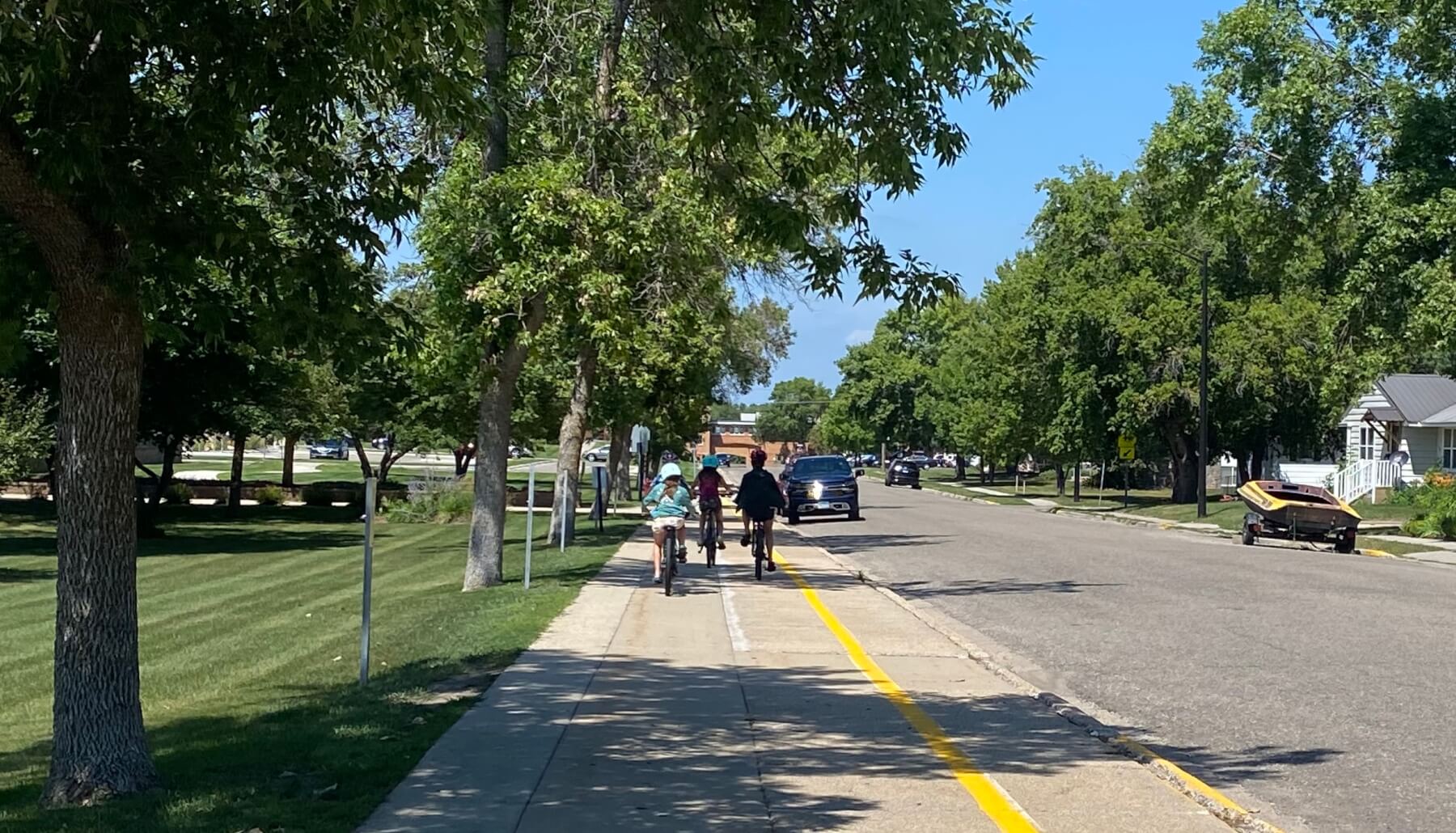
The Minnesota Department of Transportation began supporting the Safe Routes to School program in 2005 to support community and school efforts to make it safer for their students to walk, bike, and roll to school. This program takes a holistic approach to walking and biking safety through programming, infrastructure, and education.
West Central Initiative supports Safe Routes to School efforts across the region with planning, technical assistance, and volunteering at events. We have assisted 24 school districts in all nine counties of west central Minnesota and White Earth Nation with Safe Routes to School work. Through our planning work, we have created relationships with communities and organizations across the region to support their active transportation goals.
Safe Routes to School aims to make our communities safer and healthier by reducing fossil fuel use and encouraging people of all ages to be more active.
“It’s important that our children have 60 minutess a day of physical activity from a young age so that they have the tools to remain healthy throughout their lives. Safe Routes to School efforts are an essential part of the equation to provide our children with opportunities to walk and bike to school and home.” – Karen Nitzkorski
How schools, communities, and individuals can make it safe for kids to walk and bike to school
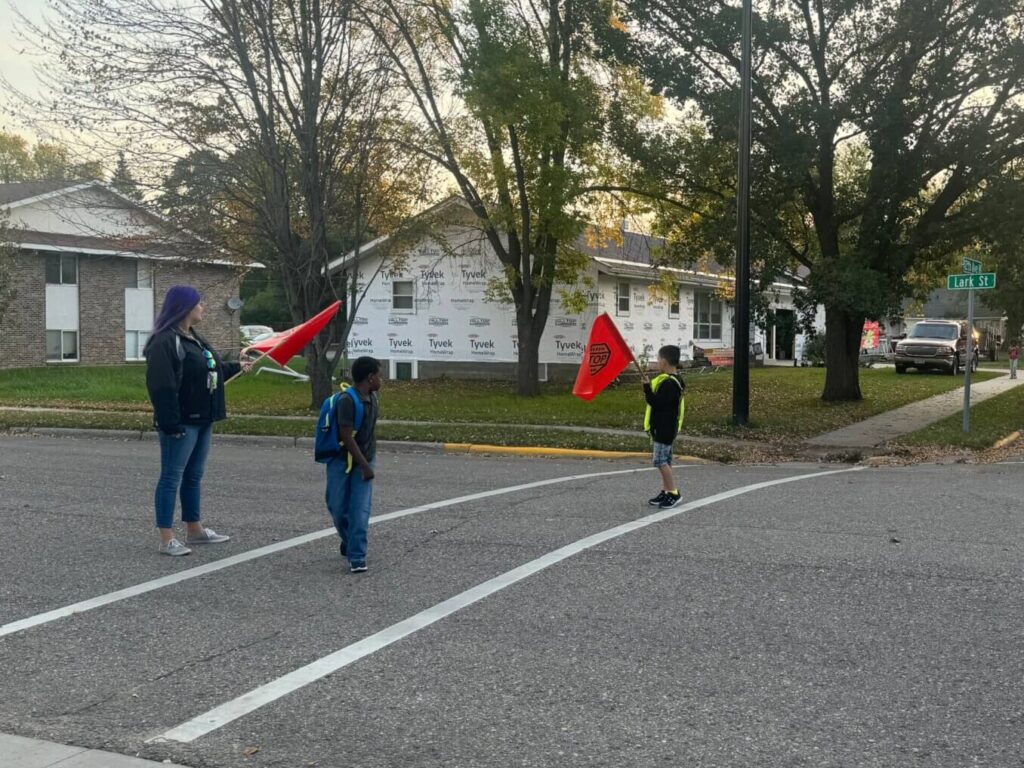
A walking school bus is a great start for school personnel, parents, and community members. This program has a trusted adult pick up students from their homes on a set walking route. This way, students get to walk with their friends and have an adult to make sure they are safe and use safe walking practices.
On the school side, schools can teach walking and biking education in class. This builds students’ confidence and teaches them the rules of the road.
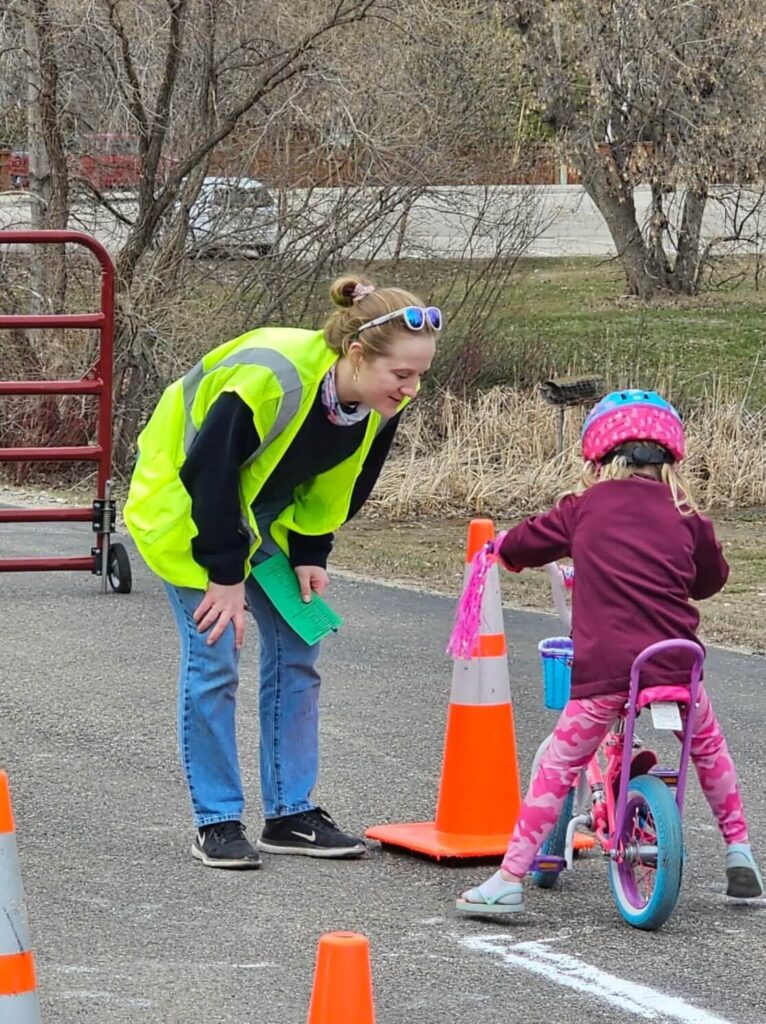
Communities can plan for safe infrastructure, such as installing sidewalks and crosswalks in areas with a high rate of pedestrians. Even local community organizations can host bike rodeos that teach kids safe biking practices and helmet fitting. If you or someone you know is interested in getting more students walking and biking to school in your community, please contact West Central Initiative for ideas and inspiration.
About Mallory Jarvi