The Current
2025 Annual Review
40 Years of Ripples––Waves of Change
For 40 years, our organization has played a vital role in enhancing the quality of life across our region.
“We’re committed to ensuring that every individual in the region can reach their fullest potential. By fostering a sense of connection and mutual support among the 82 towns, nine counties, and White Earth Nation, we strengthen the bonds that unite us. As dedicated stewards of this region, and guided by the Sustainable Development Goals, we take pride in nurturing its people and communities.”
Dear Friends and Partners,
As I look back on 2025, I’m reminded why west central Minnesota and White Earth Nation are such special places to call home. Throughout the year, neighbors showed up for one another, local leaders leaned in, and communities worked together to move important work forward. Once again, we saw that when we care for this place we share, our region grows stronger together.
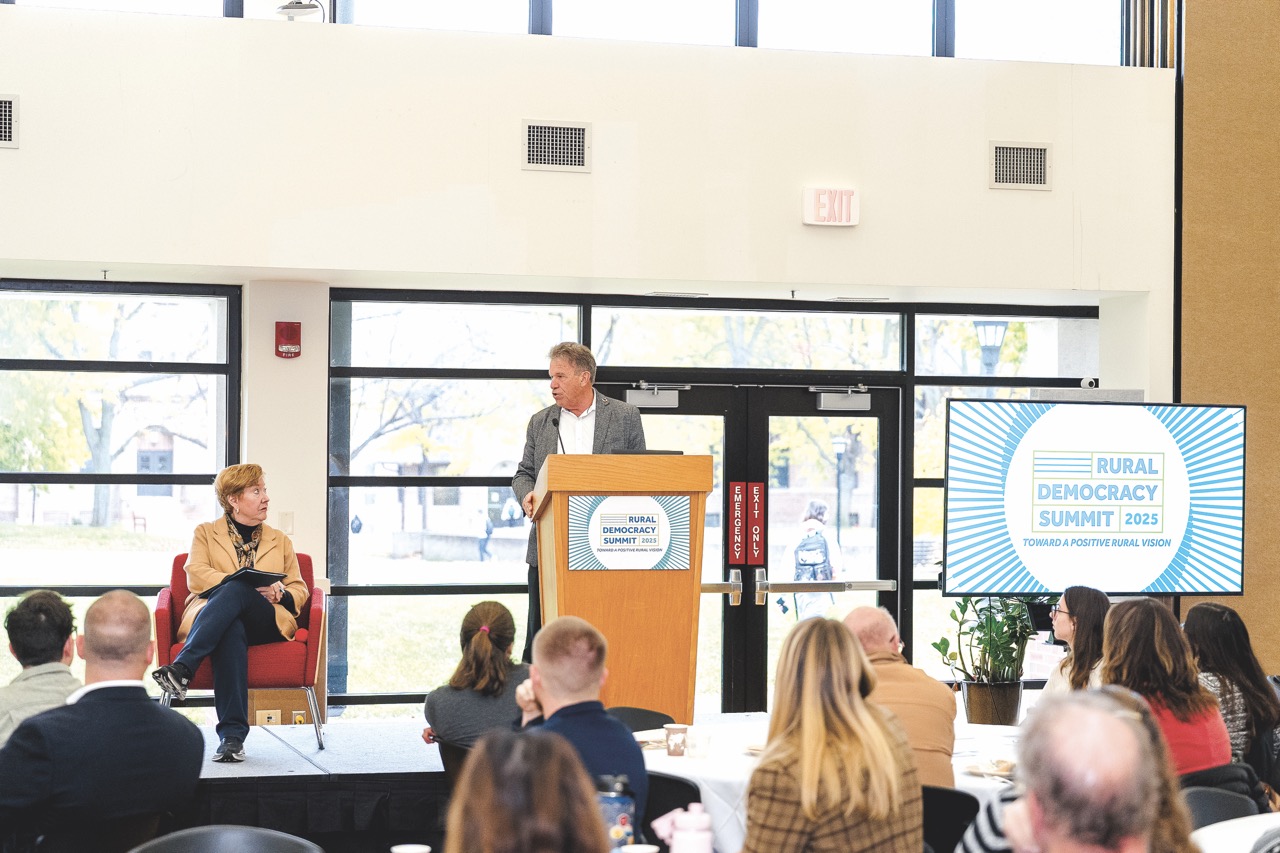
Through our Rural Democracy program, we saw extraordinary momentum. The Rural Democracy Summit brought more than 150 community members, leaders, and advocates together for two days of learning, reflection, and big‑idea thinking about the health of our civic life. The energy in the room was unmistakable. From roundtable conversations to keynote discussions, the gathering highlighted the strength of our civic infrastructure and the growing network of people ready to lead their communities forward.
Our region also made significant strides in advancing local sustainability. The Municipal Solar Cohort—a first-of-its-kind collaboration among 10 communities—is now helping public buildings reduce energy costs, reinvest savings locally, and build long-term resilience. These projects demonstrate what can happen when education, technical support, and community leadership meet at just the right moment.
We also celebrated a powerful statewide moment of connection at the first Minnesota Cooperative Summit, where nearly 200 cooperative leaders and practitioners gathered to explore how cooperation can shape stronger, more equitable local economies. The day’s conversations reaffirmed that the cooperative model—rooted in shared ownership and shared benefit—remains a vital tool for rural prosperity.
As we look ahead, 2026 marks West Central Initiative’s 40th anniversary, an opportunity to celebrate four decades of partnership, community leadership, and investment in the future of our region.
Thank you for being part of this work. With hope and determination, we look ahead to another year of building a stronger, more resilient region.
With gratitude,
Anna Wasescha | President, West Central Initiative

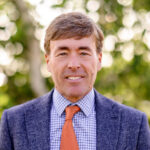
Anna Wasescha
President
2025
At A Glance
Represents 2025 fiscal year


$6.73M
value we delivered to the region through funding and technical assistance


$2.32M
granted through Component Funds designated for specific charitable purposes
335
hours of direct technical assistance to communities


What Changed in Our Communities in 2025?
In 2025, West Central Initiative helped move resources into communities across our region–supporting nonprofits, small businesses, and local leaders.
160
active loans supporting small business growth

$5.86M
distributed by West Central Initiative and our Component Funds through
636
grants for community and regional initiatives

650+
volunteers served as advisors, helping guide local giving

1,500+
people gathered at our events


14
members of the Lasting Landscapes Legacy Society have committed future gifts to the region

$5.61M
contributed to West Central Initiative and our Component Funds
$200K
secured for community projects through our technical assistance work

Where the Resources Came From
This work was made possible by generosity from individuals, families, organizations, and partners.

How Resources Were Managed
At the end of 2025, West Central Initiative managed
$94.2M
in net assets on behalf of the region.

In our 40-year history
We’ve distributed:
In Grants
We’ve distributed:
In Loans
Helped to create or retain:
Jobs
And leveraged:
Loan Dollars
Planning & Lending
Economic Development Expertise
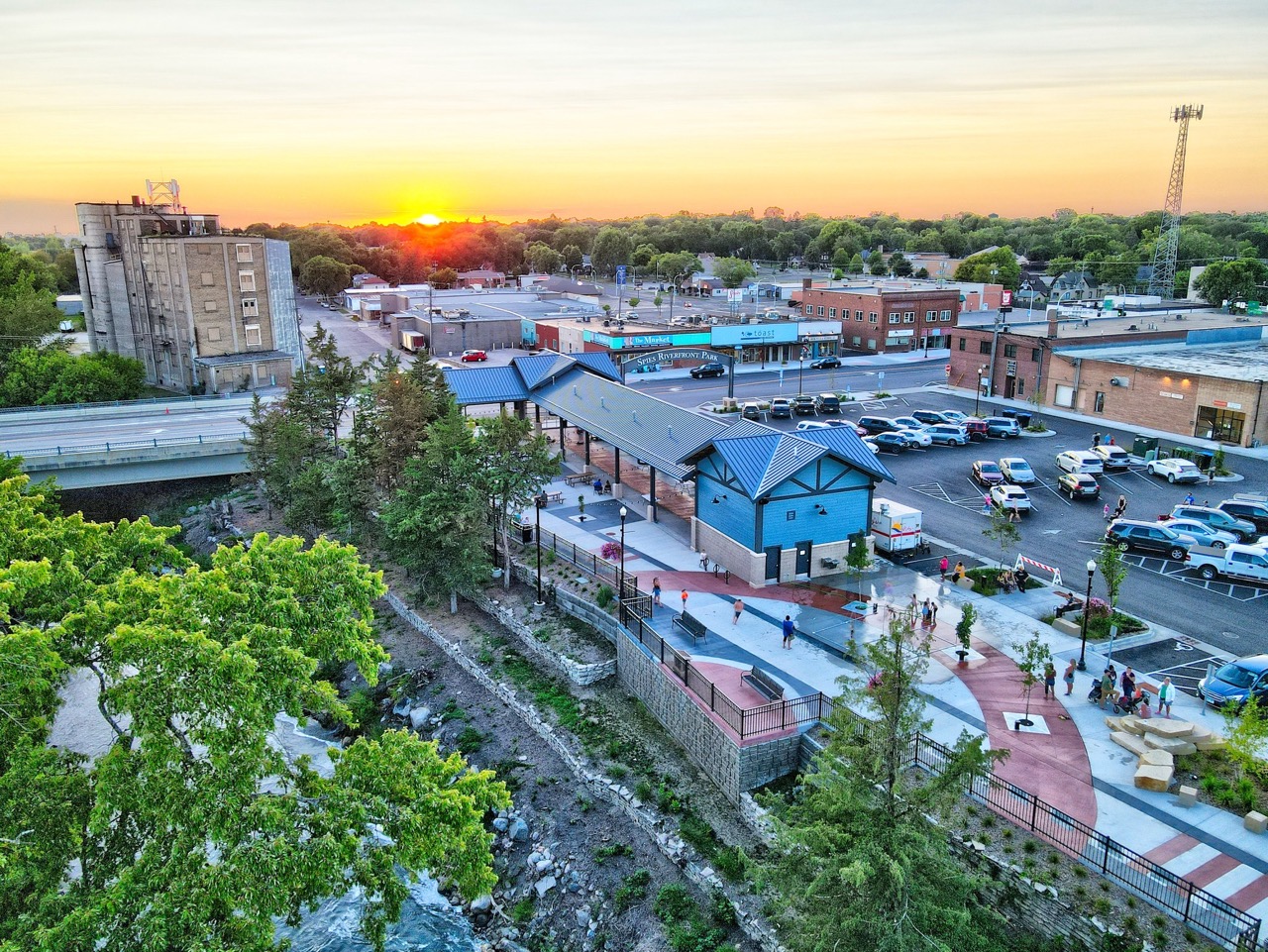
Through our planning work, we partner with regional and local leaders to create vibrant, sustainable, and welcoming communities for all
As the federally designated planning organization for the region through the U.S. Economic Development Administration (EDA), we create a Comprehensive Economic Development Strategy for the Region IV Economic Development District of Minnesota every five years. The current plan (2022–2026) primarily focuses on growing regional population and workforce, increasing wages, improving child-care capacity and availability, increasing housing affordability and availability, increasing access to broadband, and examining the sustainability of infrastructure.
Development of a new five-year plan is underway, with the updated plan set to take effect in January 2027.
With our help, local communities have received more than
in federal grants for roads, utilities, and wastewater treatment to support residential and industrial growth since 1996.
Our Loan Program
Our loan program helps start-ups and growing businesses secure financing when traditional lenders can’t cover the full amount needed. As a “gap lender,” we fill the remaining funding gap so the full financing package can succeed.
Our Planning Services
- Comprehensive community planning and climate resiliency planning
- Resource and grant navigation and writing for community and economic development projects
- Small business development support
- Sustainable food and agricultural development and planning
- Community engagement and facilitation
In 2025, 30 regional business owners and 9 communities have collectively secured more than
from our loan program to support the launch and expansion of their businesses or municipal solar projects.
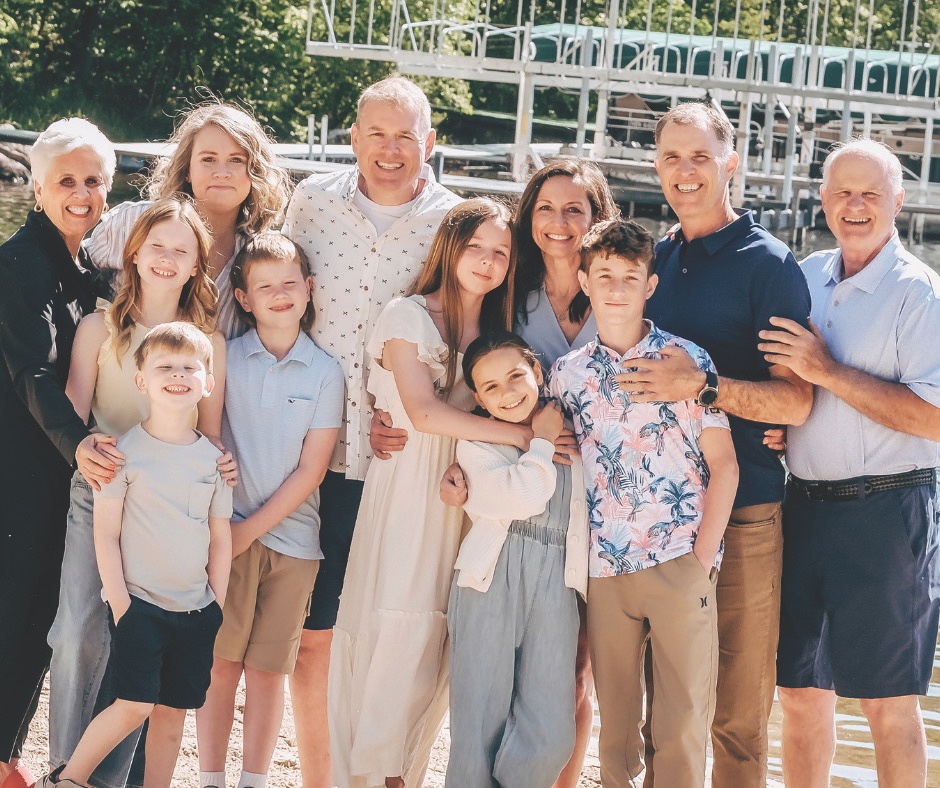
Carrying on a Lake Tradition at East Silent Lake Resort
East Silent Lake Resort in Otter Tail County has welcomed families to the water for more than a century. Founded in 1915, the resort is a fixture of Minnesota’s lakes culture and, for Andy Leonard and his family, a continuation of traditions that shaped their own childhood.
“We grew up in northeast Iowa, where you don’t have the same access to lakes that you do in Minnesota,” said Andy. “Coming to resorts like this is what made us fall in love with lake life.”
About 20 years ago, Andy, his brother Nick, and their parents began searching for a resort they could grow into while honoring the history that makes places like East Silent Lake special. When this property became available, they knew it was the right fit. Today, the family operates 18 units, blending traditional cabins with newer vacation homes. Andy’s parents still return each summer to help.
Cooperation in Action
Highlights from the First Minnesota Cooperative Summit
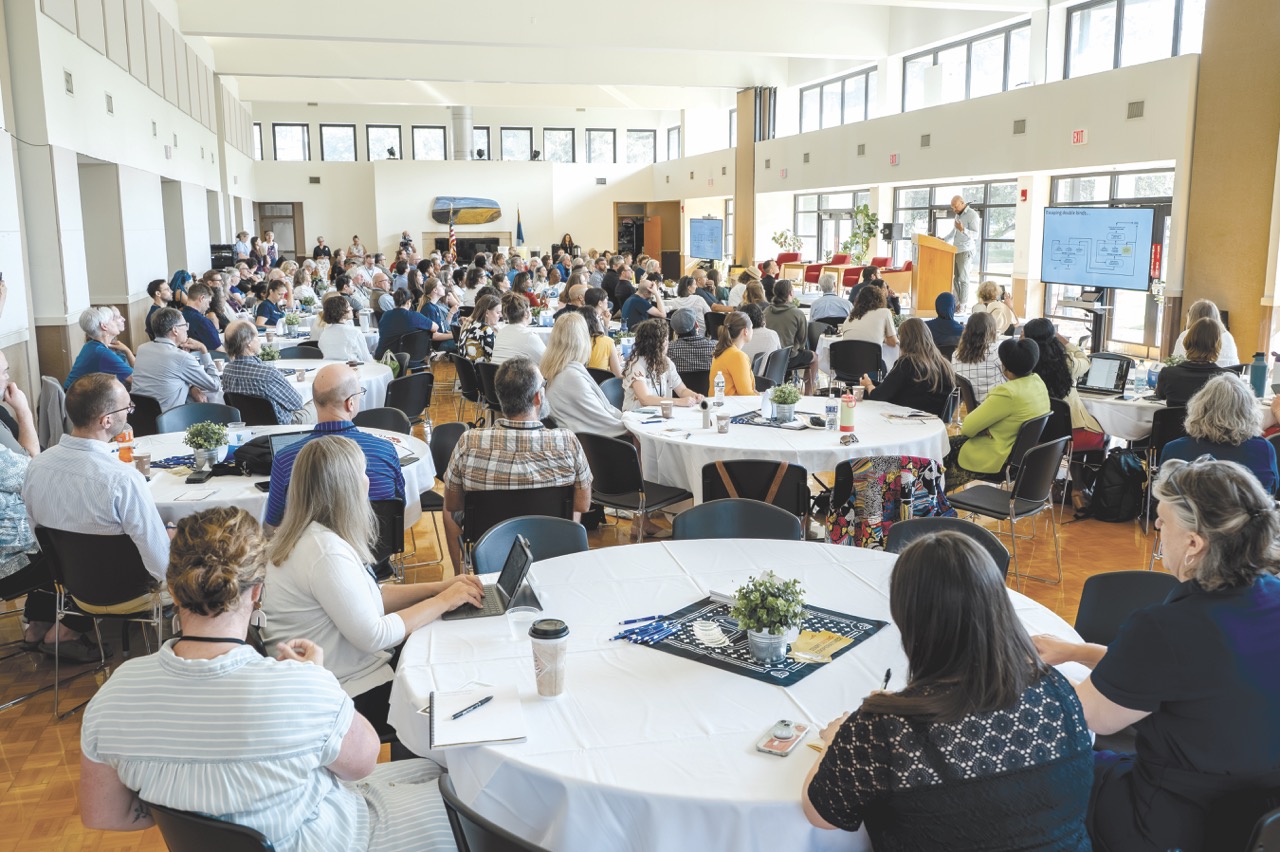
On July 30, nearly 200 people gathered at the University of Minnesota Morris for a full day of connection, learning, and shared vision at the first Minnesota Cooperative Summit.
Cohosted by CoMinnesota, Minnesota Farmers Union, the University of Minnesota Morris, and West Central Initiative, the summit marked the first annual gathering of its kind in Minnesota. Cooperative leaders, practitioners, and community builders gathered from across the country. Created in celebration of the International Year of Cooperatives, the event set out to spotlight the cooperative model as a powerful and timely tool for strengthening communities and local economies.
The summit opened with keynote presentations from German-American political economist Jerome Warren, former Minnesota Secretary of State Mark Ritchie, and Minnesota State Senator Aric Putnam, whose stories and insights underscored the enduring impact of cooperation. From rural communities to global systems, speakers emphasized how cooperatives create opportunity, build resilience, and return value to the people who rely on them most.
In the afternoon, the summit shifted into breakout sessions that invited deeper exploration. Participants moved between conversations on agriculture, energy, housing, child care, workforce development, and other sectors where cooperative ownership is already making a difference—or holds the potential to do so. Ideas flowed freely as attendees shared challenges, exchanged strategies, and learned from real-world examples of cooperatives responding to community needs.
As the day came to a close, the impact of the summit was felt not just in the sessions attended, but in the conversations spilling into hallways, over food, and on the walk back to parking lots. Attendees left with new relationships, renewed confidence, and a clearer sense of what is possible when people work together. For many, the day planted a seed—an idea for a new cooperative, a partnership waiting to be formed, or a fresh approach to meeting local needs. Those seeds now travel back to communities across Minnesota and beyond, carrying forward the cooperative spirit that made the first Minnesota Cooperative Summit such a meaningful success.
Minnesota is home to more than
cooperatives, including more than 170 agricultural and 40 food cooperatives.
Climate & Energy
Municipal Solar Cohort Powers Rural Communities
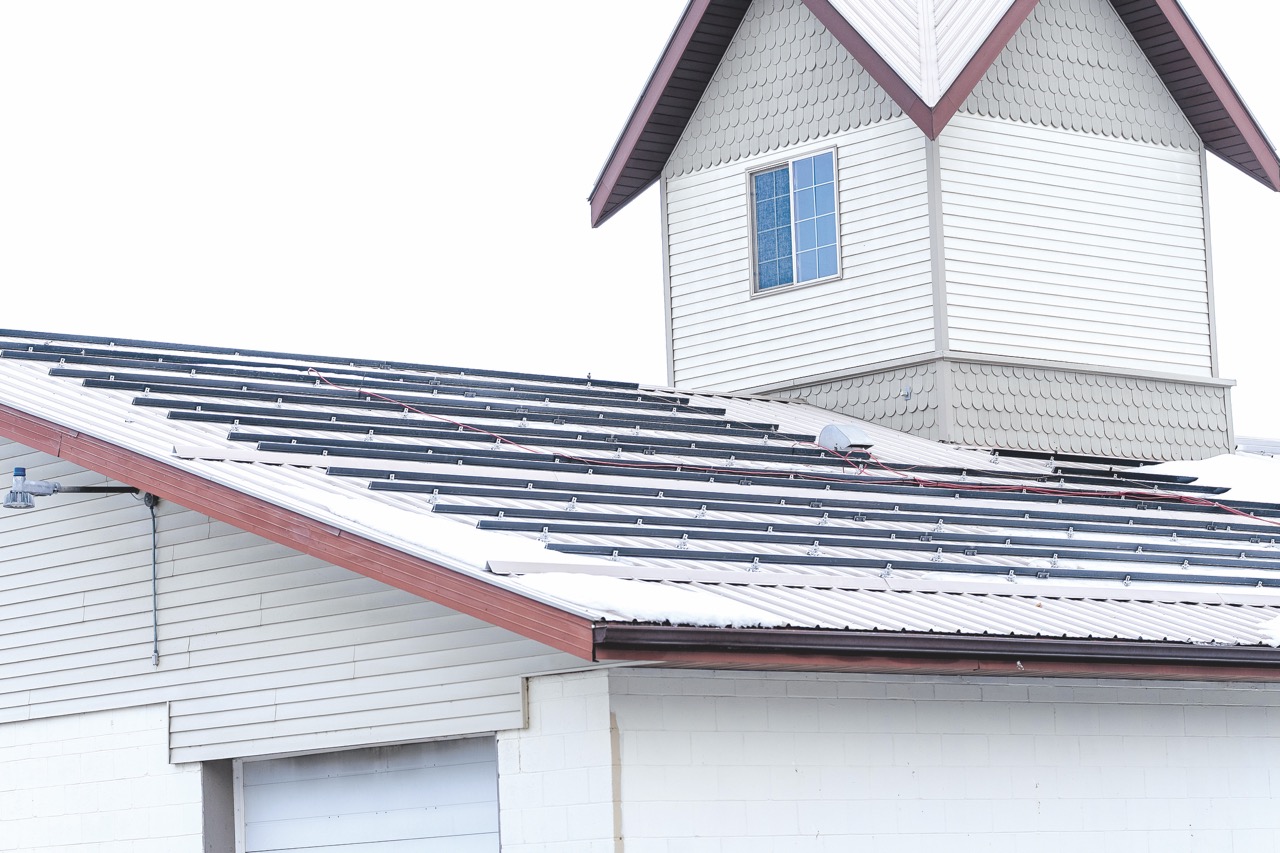
Helping public buildings save energy, reduce costs, and invest locally
We’re working with communities across our region to build a more sustainable and resilient future through our Municipal Solar Cohort. Through this initiative, we’re partnering with 10 communities to develop small-scale municipal solar projects that lower energy costs, generate local revenue, and strengthen local economies.
10 community buildings will install solar panels sized to meet local needs. Communities are expected to save about $2K to $6K each year on energy costs.
The First Cohort Includes:
Energy storage will be added in Ogema, Vergas, New York Mills, and Ashby to help keep power available during outages.
Most of the project costs will be covered through financial incentives, with additional support from West Central Initiative.
Read the Q&A to meet our team members helping lead and advance this work.
Rural Democracy
Increasing civic participation & supporting leadership development
In Minnesota, on average 1 in 21 individuals need to serve in positional leadership (local government or nonprofit) in their lifetime. In west central Minnesota, demand is higher, reaching 1 in 9 individuals in Wilkin and Stevens Counties, 1 in 8 in Traverse County, and 1 in 7 in Grant County—classifying almost half of our region as “leadership distressed.”
We aim to strengthen rural democracy by helping residents meet these demands through our Rural Democracy program.
Our program is built on the belief that strong communities depend on strong leaders.
We focus on identifying and developing new leaders while equipping and supporting those already serving. At our core is the belief that everyone has the potential to impact their community positively through civic engagement.
The Rural Advocacy and Public Leadership Program is our free six-month leadership and advocacy program for individuals interested in strengthening democracy and promoting good governance in their rural community. Participants engage in discussions, learning from each other, and develop a local “hands-on” project to address an issue in their community.
Elected officials are the heart of local democracy. Through the Lead Local Mayors Network, we’re convening and building relationships among the 82 mayors in west central Minnesota, so they can share ideas and encourage their constituents to get involved in public service. We invite all local elected officials in west central Minnesota to participate in our quarterly meetings.
Run4Rural is our free 1½ day public leadership training program designed for people interested in growing and strengthening their local communities through elected office and other forms of public leadership. This nonpartisan training is useful for existing and emerging rural leaders and people active in their community whether or not they have decided to run for office.
Going Local is our free rural democracy workshop. At the Going Local workshops, we share food and stories, learn about some of the unique challenges rural communities face, and explore what we can do together to make our communities stronger and healthier.
Rural Democracy Summit
Brings neighbors together to shape the region’s future
Our 2025 Rural Democracy Summit offered two days of connection, insight, and broad thinking at the University of Minnesota Morris. The event served as a reminder of the civic strength found throughout west central Minnesota’s nine counties and White Earth Nation.
Day One started with a close-knit gathering of regional thought leaders and changemakers. Representatives, organizers, and advocates from public and private sector organizations came together for a roundtable discussion on the state of civic life in rural areas. The conversations were honest and open. Participants shared successes, discussed ongoing challenges, and reflected on what it takes to develop and maintain strong civic infrastructure. The atmosphere felt collaborative and hopeful, grounded in a shared commitment to the region’s future.
Day Two expanded the discussion with keynote and panel presentations from Heidi Heitkamp, former United States Senator; Tom Horner, former candidate for Governor and former Chief of Staff for United States Senator David Durenberger; Mark Ritchie, former Minnesota Secretary of State; and Kathy Cramer, author and professor. The sessions were moderated by Lori Sturdevant, retired Minnesota Star Tribune political columnist. Each speaker offered a unique perspective on rural democracy, addressing civic participation, community resilience, public trust, and the stories that shape rural identity. Their insights sparked lively table conversations in which attendees explored “Big Ideas” for strengthening civic life and long-term prosperity across the region.
“Bringing over 150 folks from our region and beyond was a reminder of just how strong the civic heartbeat of our region really is,” said Justin Moen, our Rural Democracy Network Coordinator. “Together, we broke bread, celebrated what’s working in our communities, examined the barriers we still face, and shared a genuine sense of possibility for the future of civic health and rural vitality in west central Minnesota.”
The summit concluded with a renewed sense of energy and unity. More than a discussion of rural democracy, it showcased what can happen when neighbors come together to build a shared vision for our region’s future.
Since the launch of our Rural Democracy program in 2022:
attended events to bolster civic engagement and strengthen democracy.
participated in community conversations on public leadership, local journalism, bridging divides, and the health of rural democracy.
attended Going Local workshops around the region.
attended trainings, including Run4Rural’s nonpartisan local office training, the Rural Advocacy and Public Leadership program, and Intro to Civic Life.
elected officials worked together to strengthen civic infrastructure and advance community projects.
The View From Here
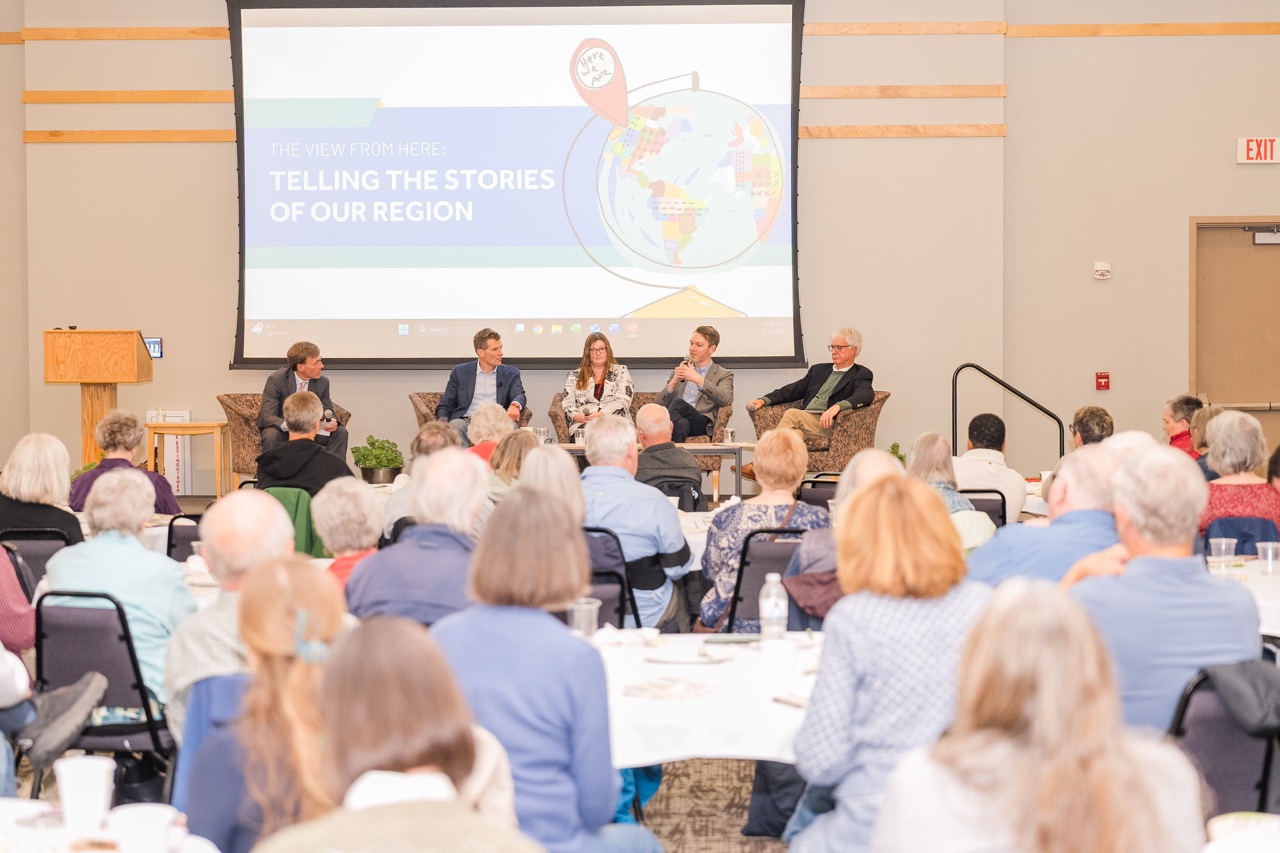
Our event, The View from Here, brought together newspaper leaders for a conversation about the role of local journalism and the release of our regional almanac, The View from Here: An Almanac of Life and Land in Our Region. The gathering highlighted the essential role newspapers play in documenting community realities and providing the trusted information that helps sustain a healthy democracy.
Rural Belonging
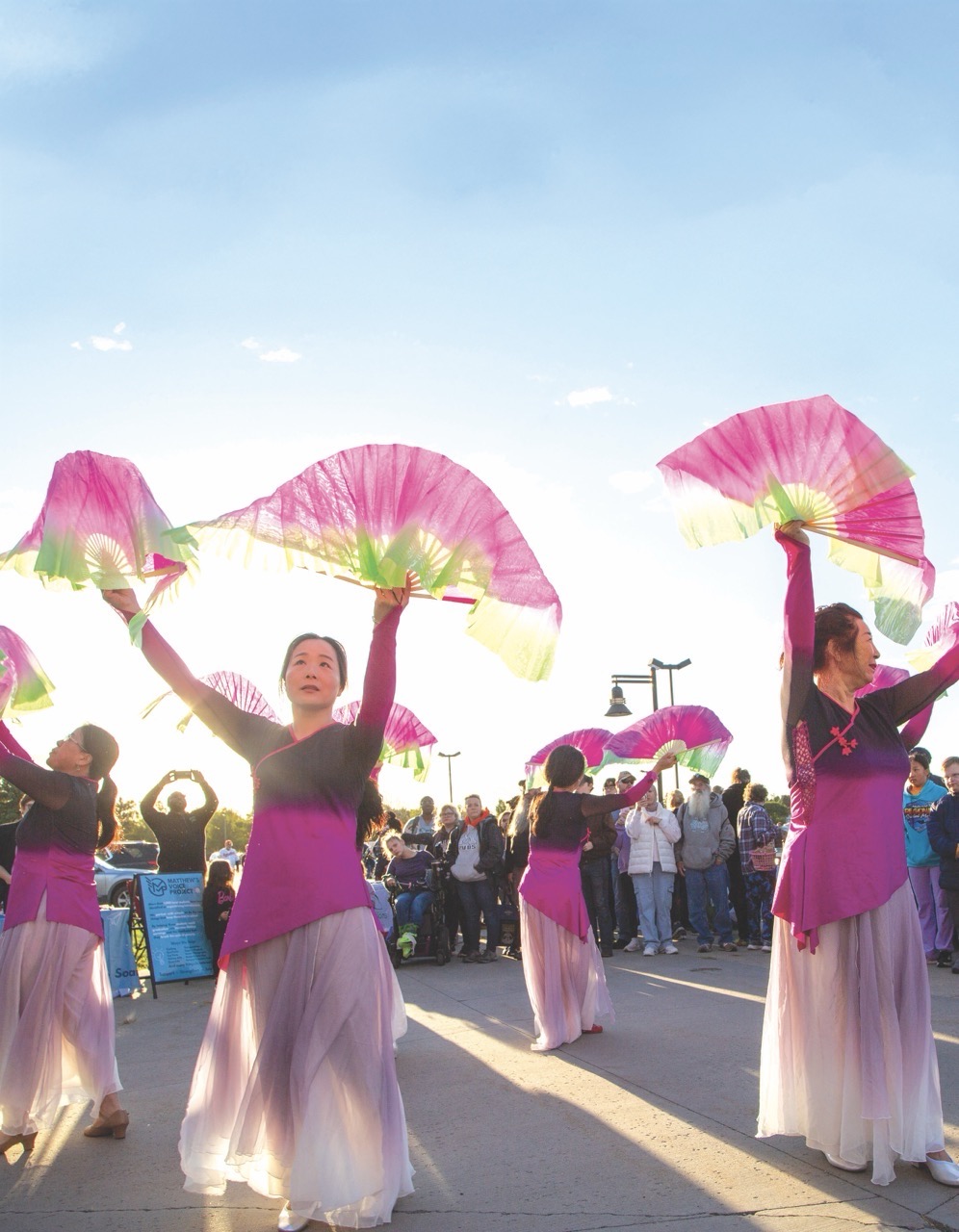
Uniting neighbors and building welcoming and inclusive places
Welcoming Week is a national movement that brings communities together to foster connection and belonging, especially for new residents. Each September, communities across our region host events on farms, at street fairs, in libraries, schools, and other gathering spaces. Activities include food tastings, cultural exhibits, art, shared meals, and demonstrations. Organized by local governments, schools, nonprofits, and businesses, the week creates meaningful opportunities to connect and welcome new neighbors.
We’re celebrating 4 years of Welcoming Events. 2025 included 20+ events across 13 communities.
What was it like to participate in Welcoming Week?
We posed that question to Similoluwa (Simi) Kasakwe- Welsch, a Welcoming Week rock star who experienced three separate events this year. She attended gatherings in Alexandria, Glenwood, and Starbuck.
Since 2022, we’ve leveraged more than
in sponsorship dollars to support 120 community events around the region as part of the national Welcoming Week movement.
Children
Strong Systems. Strong Starts. Strong Futures.

We’re committed to advancing the systems, services, and supports that give children the best possible start in life—shaping their health, learning, and success
We partner with communities to strengthen the systems that support children and families, focusing on the connections between health, well-being, and learning. By aligning efforts across sectors, we help communities identify gaps, build on what’s working, and implement strategies that lead to measurable, lasting progress.
Improving access to high-quality child care and education is central to this work, as early learning environments play a critical role in children’s development and long-term success. When families have access to strong, supportive care, children are better positioned to thrive academically and socially.
Through regional networks focused on early childhood oral health and mental well-being, we help to integrate care into the everyday settings families rely on— expanding access, promoting early intervention, and supporting coordinated approaches that help children thrive.
Beyond the education provided by the program,
children received dental care through the Early Childhood Dental Network.
Transportation Planning
Mapping the Future: Transportation Planning for a Connected Region
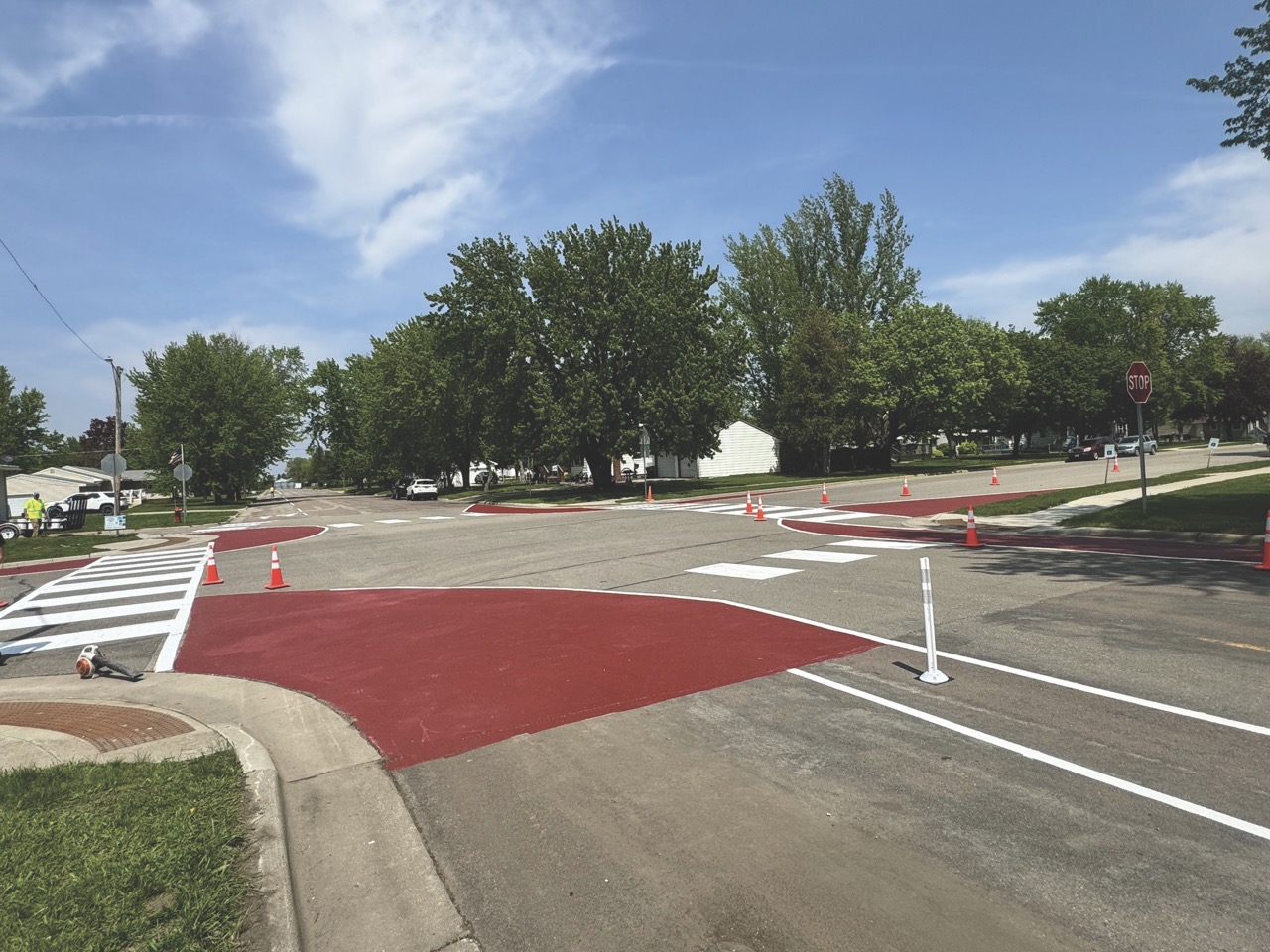
Helping all to drive, bike, walk, and roll around our region safely and efficiently
Through a contract with the Minnesota Department of Transportation, West Central Initiative administers a transportation planning program for west central Minnesota. This partnership allows for coordinated, long-range, regional transportation planning.
As part of the regional transportation planning process, we oversee studies related to transportation, provide technical assistance to communities on transportation and active transportation issues, and work with the Minnesota Department of Transportation District 4 and the West Central Minnesota Area Transportation Partnership.
Community input sparks solutions for Safe Routes to School Plans
Safe Routes to School is a national initiative that encourages walking and biking to school to support lifelong healthy habits. With support from the State of Minnesota, communities can advance planning, infrastructure, and education to turn these goals into action.
In 1969, about half of all children walked or biked to school. Today, fewer than 15% do. With 75% of kids not getting the recommended 60 minutes of daily physical activity, Safe Routes to School programs play a critical role in addressing childhood obesity, which affects 25 million children nationwide and contributes to $14 billion in health care costs. In our region alone, we’ve secured more than $15 million for projects that make it safer and easier for children to walk and bike.
With our planning assistance, Battle Lake has secured more than $1M for active transportation infrastructure supporting projects such as sidewalks and trails that improve safety and connectivity.
In 2025,
students benefited from new Safe Routes to School Plans in Battle Lake, Browns Valley, and Chokio-Alberta.
Local Foods & Sustainable Agriculture
A thriving local food system
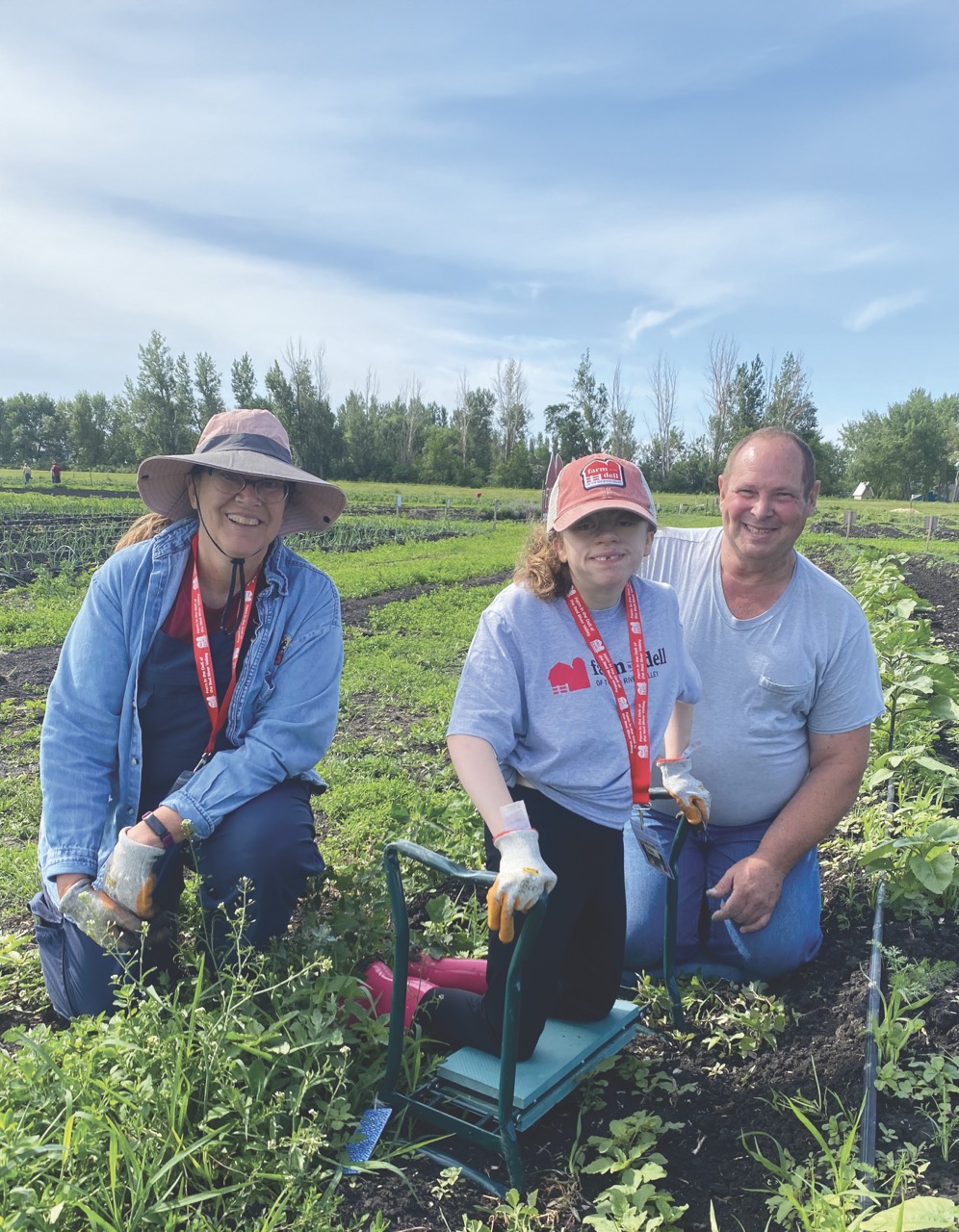
Empowers farmers, ensures fresh, nutritious food is accessible to all and builds resilient communities.
To help create a thriving and interconnected food ecosystem, we support regenerative agriculture practices, facilitate educational opportunities, and advocate for policies that support local food production.
Fresh produce in the United States travels more than
miles on average before being consumed.
Growing Connection Through Local Food
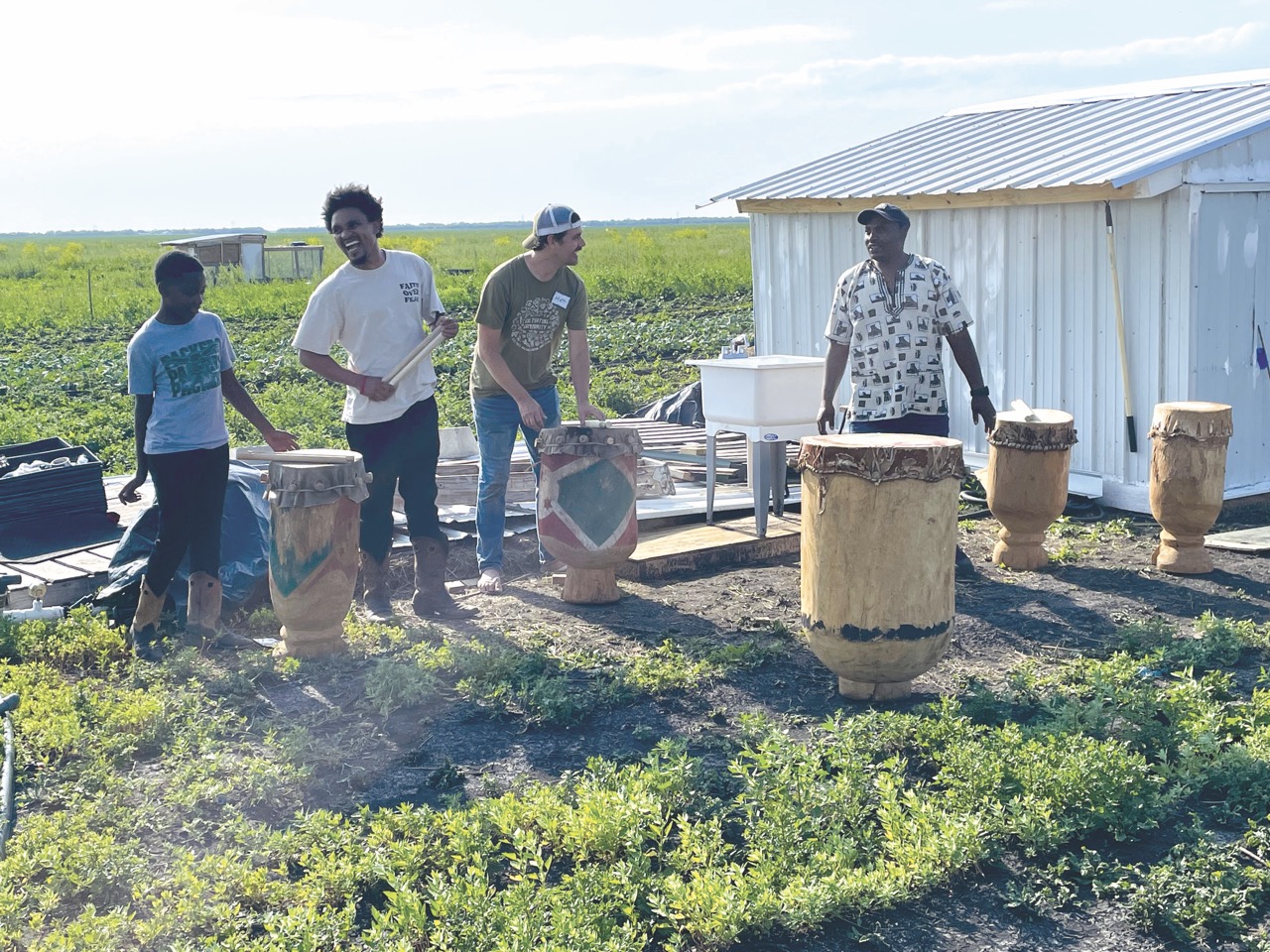
On two summer days in June 2025, community members from across our region gathered at Farm in the Dell of the Red River Valley and New Roots Farm Incubator to work alongside farmers, share meals made from locally grown food, and engage in honest conversation about the region’s food system. These gatherings were part of a project led by Renewing the Countryside and supported by a West Central Initiative grant.
Component Funds
Thriving Communities: Powered By Collective Giving
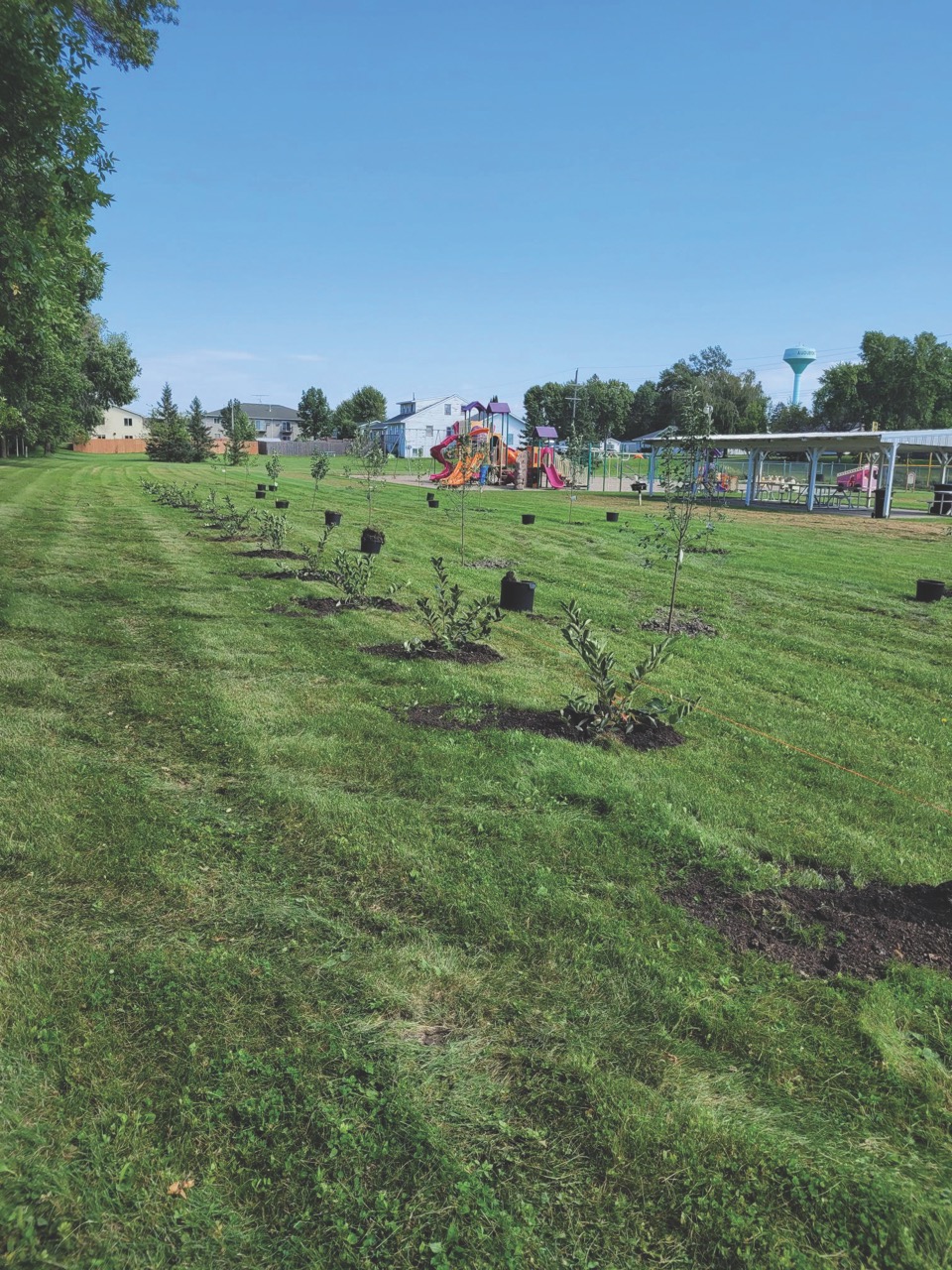
Through our Component Funds, we harness the power of collective giving to support local community improvement projects, provide funding for nonprofits, give scholarships, and build a better quality of life for years to come.
As a community foundation, one of our roles is to establish and manage dedicated funds that address specific charitable purposes as defined by the IRS as 501(c)(3) nonprofit organizations. We call these funds “Component Funds” because they’re part of our mission and asset valuation.
Component Funds function in two ways: making grants for charitable activities within the fund’s specific purpose and providing rural economic development loans through a revolving loan fund. These funds generate interest, which can be distributed as grants or reinvested in the fund.
Component Fund activities are directed by groups of community volunteers called advisory committees. Partnerships among the advisory committees, donors, and West Central Initiative play a critical role in the success of these funds and the achievement of their goals.
Through our Component Fund program, we provide training and help donors invest in public parks, libraries, scholarships, main street improvements, and more— building stronger, more vibrant communities for generations to come.
Component Funds
Granted From Component Funds
Grants From Component Funds
Donated from Component Funds
Volunteers Serve as Fund Advisors
Represents 2025 fiscal year
Types of Component Funds
Our fund options are designed to give donors flexibility in how they support the causes they care about most. From scholarships and community initiatives to long-term endowments and flexible Donor Advised Funds, each type offers a unique way to make a lasting impact.
Q&A with the Audubon Area Community Development Foundation
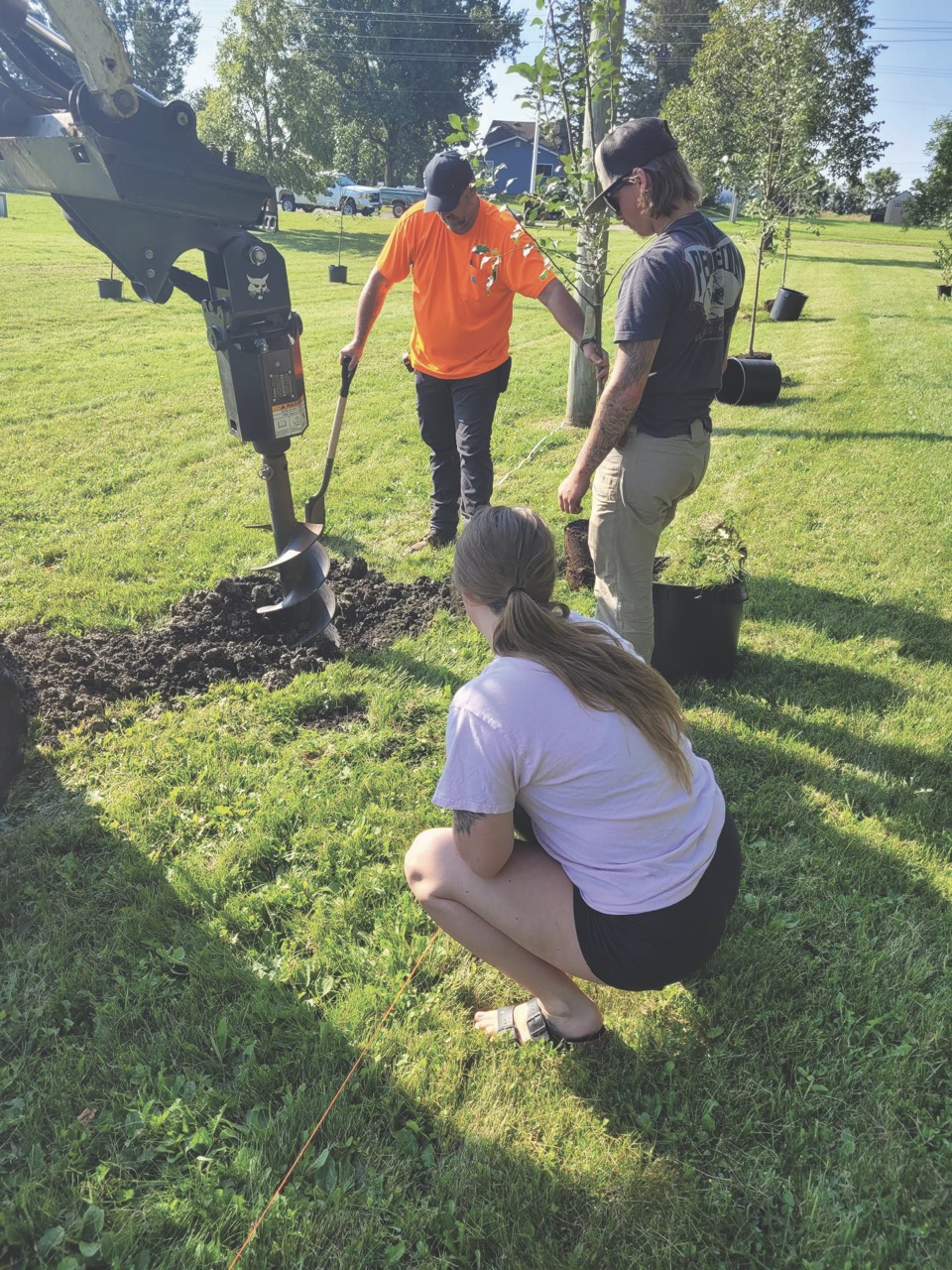
The Audubon Area Community Development Foundation raises, manages, and distributes funds to support community nonprofit and city projects in the Audubon area, including the Food Forest Project. We talked with Meghan Eastman, Clerk and Treasurer of the City of Audubon, to learn more.
Generosity & Impact
How a Move Away Deepened a Commitment to Home for Jenna and Pete Ray
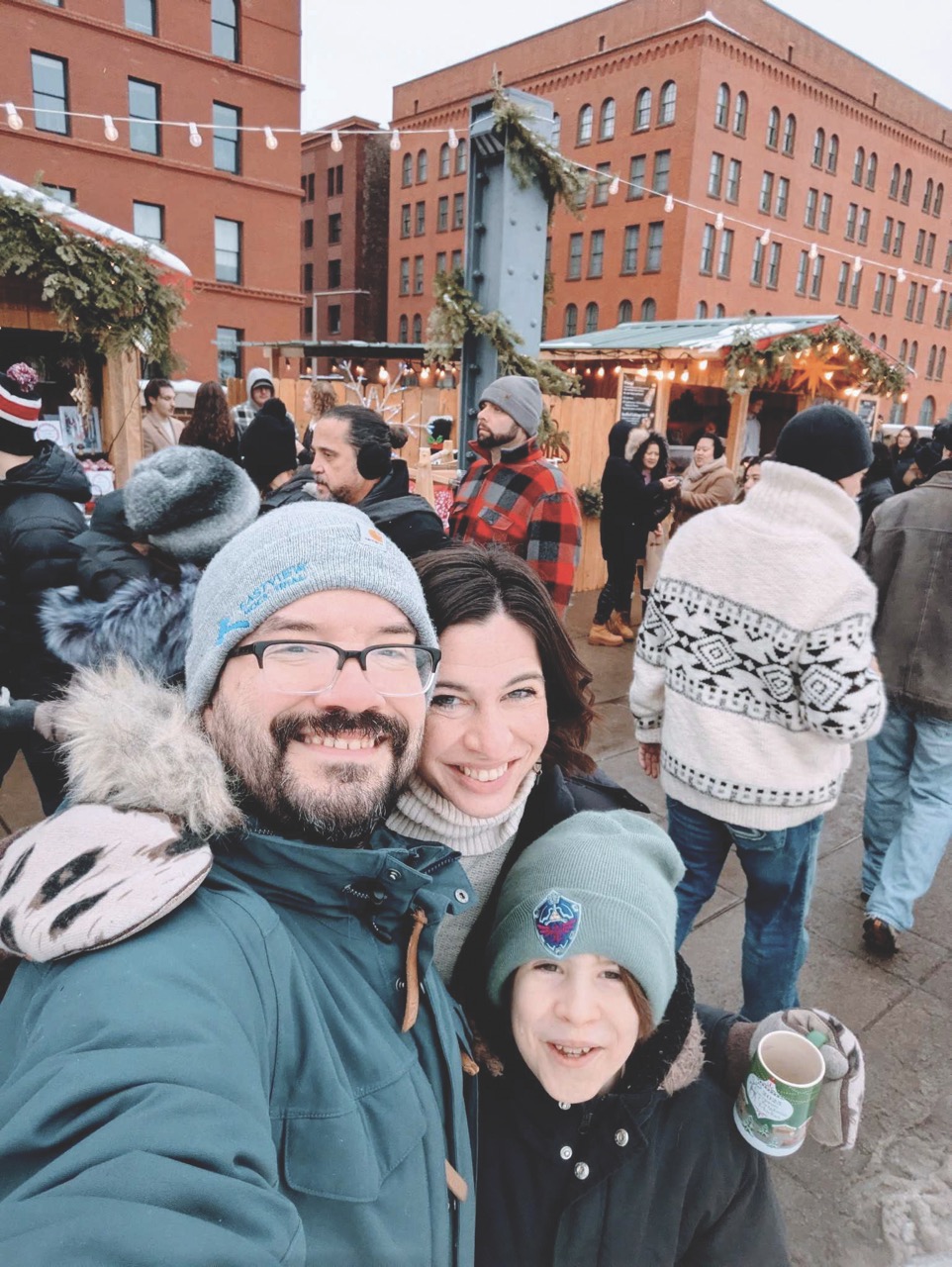
Jenna and Pete Ray met as students at the University of Minnesota Morris.
It was a happy accident that Jenna landed in Morris. Originally from Bismarck, North Dakota, Jenna followed a good friend to Morris and learned about the wonderful intersection of the community and college campus that still prevails.
While the couple intended to stay in the area for two years after graduation, two quickly became 12 years, only moving for an opportunity to make a greater impact on their rural community from the Twin Cities.
Jenna, Pete, and their young son, Max, look forward to coming back to the region whenever they can. “To be seen and heard by your community is a true gift,” Jenna shared. “Unique to Greater Minnesota—specifically, west central Minnesota—is how deeply connected and involved we are as a community. There is a strong sense of commitment that makes this region a great place to call home.”
Sharing a vision for what’s possible and having the courage to invest in something bigger than yourself is an opportunity to be celebrated.
How Will You Help Your Community?
By partnering with West Central Initiative, your generosity is amplified. Whether you’re supporting our work or directing your gift to a Component Fund that reflects your values, you gain flexibility, potential tax benefits, and trusted local stewardship. We handle the details behind the scenes—so you can focus on making the impact you envision.
Investing in People, Places, and Possibility
Lasting Landscapes Legacy Society: Giving That Endures
By planning a gift to support one of West Central Initiative’s regional endowments or an endowment for a local nonprofit or community, you join a growing movement of visionary donors helping our people and communities thrive—today and tomorrow. The Lasting Landscapes Legacy Society recognizes individuals and families who demonstrate this commitment through a future gift in their estate plans or a major lifetime endowed gift. Membership is open to anyone who has included West Central Initiative in their estate plans or made a lifetime gift of $10,000 or more to a permanent endowed fund supporting our organization or a local nonprofit.
Business Giving That Builds Community: Investing for Regional Impact
We invite businesses and corporate partners to invest in the people, places, and possibilities shaping a stronger future for our region. Your gift helps plant seeds that grow for generations by supporting efforts in early childhood, workforce development, rural leadership, and other vital areas. Strong communities don’t happen by accident—they’re built over time by organizations willing to invest in what matters most. By joining our business giving program, you become part of a network of local leaders committed to a lasting legacy.
Component Funds: Flexible Ways to Give with Purpose
Our Component Fund options are designed to give donors meaningful flexibility in supporting the causes they care about most, while strengthening our region for the long term. Whether you’re passionate about scholarships, community initiatives, permanent endowments, or the versatility of a Donor Advised Fund, each option offers a powerful way to invest in people, places, and possibilities. Together, these funds help ensure lasting impact—today and for generations to come.
Ways to Give
We can accept many kinds of assets, helping you maximize your giving and find tax advantages.
Cash
Appreciated Stock

Real Estate
Retirement Funds
IRA Required Distribution
Life Insurance

Annuities
Give beyond your lifetime
Planning an estate gift allows you to strategically accomplish both financial and charitable objectives. For many people, these include preserving the family name, honoring loved ones, providing for heirs, minimizing tax burdens, and supporting the community they call home. Bequests to West Central Initiative are exempt from estate taxes.
Establishing a fund at West Central Initiative as part of your estate allows you to:
- Support your favorite nonprofits or choose community grantmaking funds that align with your interests.
- Manage gifts to multiple entities, which you can change at any time cost-free.
- Give almost any kind of asset, from real estate, to stock, to retirement plans and life insurance proceeds.
- Avoid the setup costs and ongoing management of creating your own private foundation.
Connect with Us
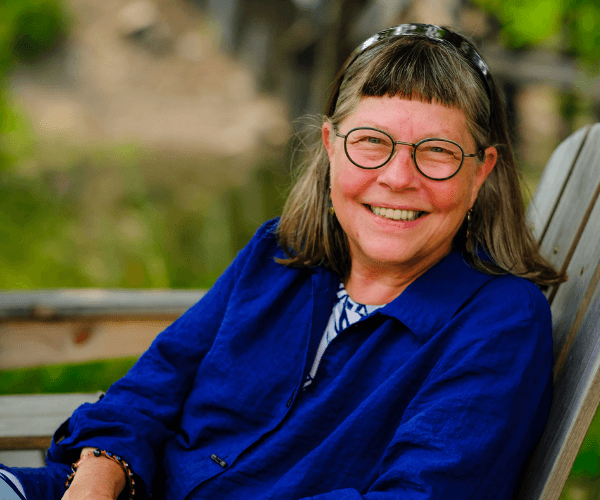
Rebecca Lynn Petersen
Director of Development and Philanthropic Services
218-998-1612

Camille Pearson Walz
Development and Philanthropic Services Officer
218-998-1627
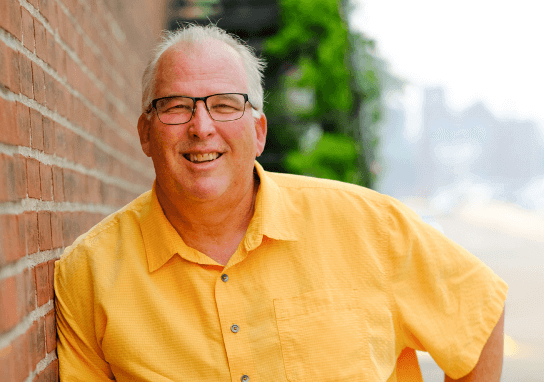
Rick Schara
Community Engagement Officer
218-998-1626
Thank You, Contributors
We’re deeply grateful to all the individuals and organizations who have supported our mission over the past year. Along with the contributors listed below, we also thank the many others who have given through West Central Initiative by supporting one of our Component Funds. We’ve done our best to include all contributors, but we may have unintentionally missed someone. Please know that your support is sincerely appreciated.
A special thank you to members of our Lasting Landscapes Legacy Society
The Lasting Landscapes Legacy Society recognizes individuals and families who have made a lasting commitment to our region through either a future gift in their estate plan or a major lifetime endowed gift to West Central Initiative.
Lasting Landscape Legacy Society Members
Grant Recipients
We’re uniting ideas and resources to create a stronger, more vibrant region. Guided by our strategic priorities and aligned with the Sustainable Development Goals, we offer a range of resources —including grants—to support families, communities, organizations, and businesses. The grant recipients highlighted below represent just a portion of the many noteworthy initiatives we supported this year.
Early Childhood Grants
Food Shelf Support
Municipal Solar Cohort
Otto Bremer Trust Community Responsive Fund
West Central Initiative Grants
Thank you to Minnesota Department of Employment & Economic Development Main Street Economic Revitalization Program, the Otto Bremer Trust, the McKnight Foundation Rapid Response Good Neighbor Fund, generous anonymous donors, and others for providing our region with grant funding.
Staff & Board
View the full list of the West Central Initiative board and economic development district board of directors.
Welcome New Staff Members!

Justin R. Moen
Rural Democracy Network Coordinator
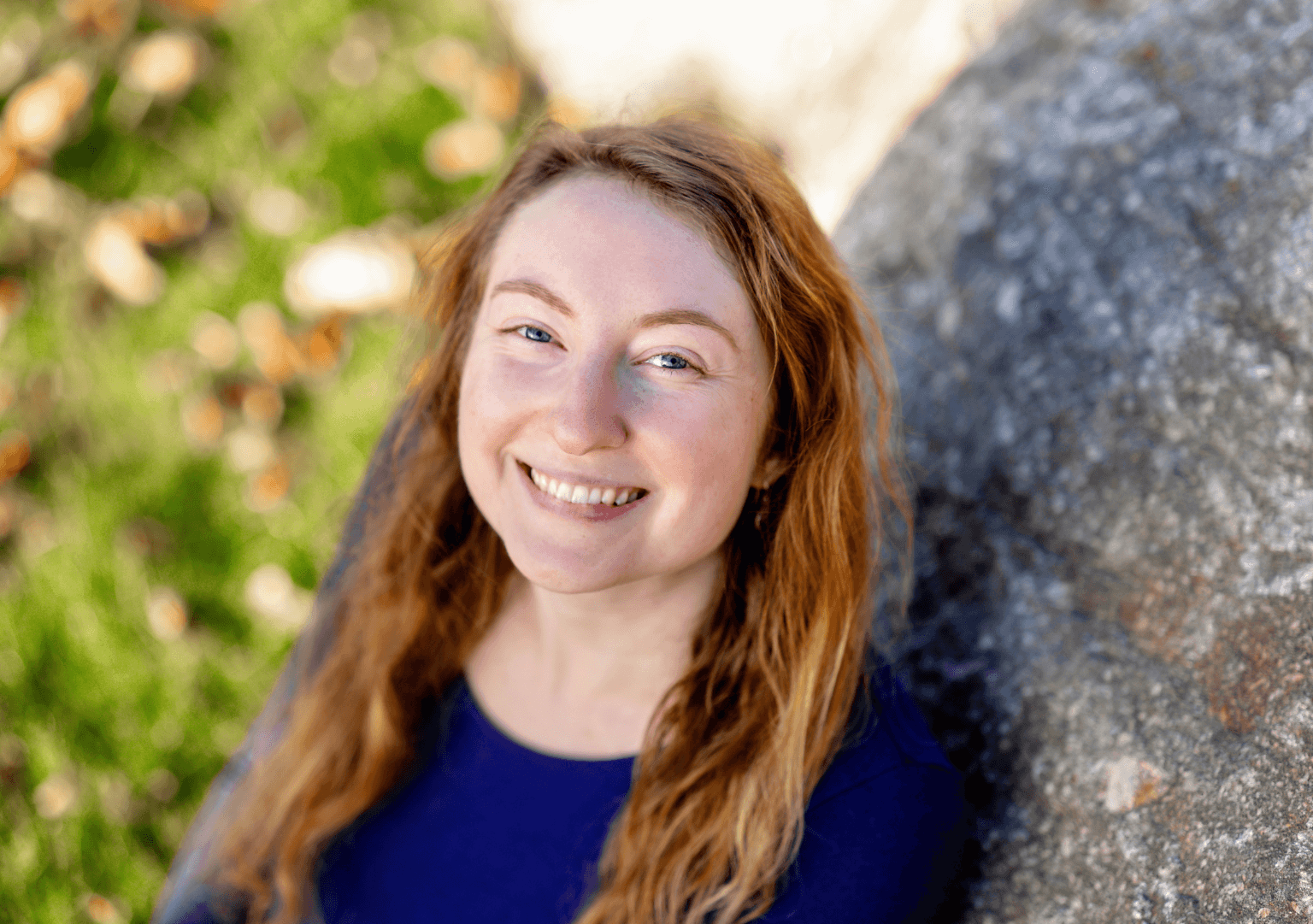
Bianca Newell
Transportation and Sustainability Planner
Together,
we can do so much.
Let’s partner to create ripples that change our communities, our region, and our world for the better—forever.